Weleda targets growth for iconic Skin Food range
Weleda is expanding its centennial Skin Food line with new products and long-term research projects while returning to recycled aluminum packaging.
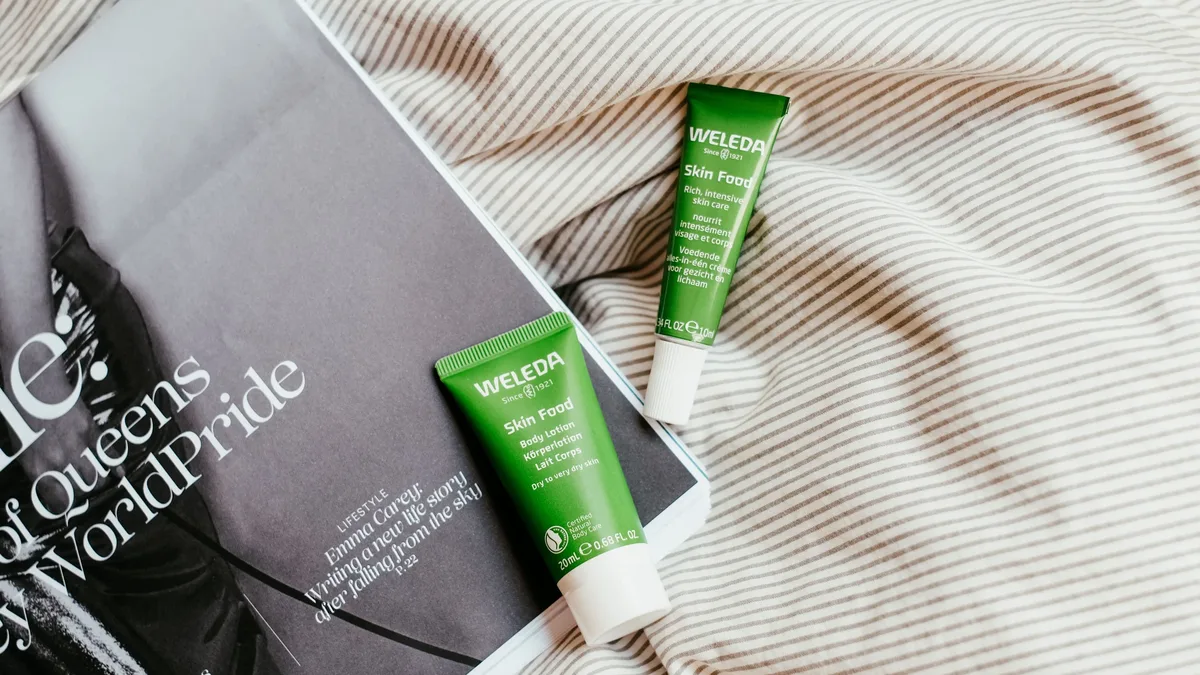
Weleda launched the first original Skin Food product in 1926 featuring a blend of chamomile, calendula, rosemary, and wild pansy. This specific formulation has remained unchanged since its debut, despite various updates to the packaging over the decades.
Jayn Sterland, Country Manager for UK & Ireland at Weleda, told Premium Beauty News that the formula stayed static because the product was long neglected as a multifunctional item rather than a specific facial care or body care solution. In Germany, the ointment was historically known simply as a skin cream.
The product currently serves multiple purposes, acting as a day or night face moisturizer, a makeup primer, or a hand and body cream. Sterland notes that the ultra-hydrating formula provides excellent skin protection. Over the years, the brand has expanded the line to include several variations and formats designed for specific uses, such as night creams, shower creams, body milk, body oil, lip care, and face serums.
Future expansions and professional collaborations
Weleda recently added an eye cream to the collection and is currently developing soaps and hand lotions. These new items are scheduled for launch in the United Kingdom and Ireland during the first quarter of 2026. Sterland indicated that the Skin Food range will continue to grow over the next five years.
The brand is collaborating with renowned makeup artists to identify essential product needs. Sterland explained that while makeup experts are often overlooked, their primary role is enhancing the skin. With the rise of high-definition technology, complexion perfection has become vital for professionals in cinema, fashion, and advertising, a sector that Weleda is now exploring more closely.
The company is also investigating opportunities for products targeting skin conditions like acne, rosacea, eczema, and psoriasis. These long-term innovation projects are expected to yield results within five to ten years. Sterland mentioned that because Weleda began as a pharmaceutical company, the active ingredients in Skin Food are traditional medicinal plants. The expansion into these areas depends on the claims the company can make in each market, ensuring regulatory compliance and claim strength.
Wleda continues to invest in research and development for UV protection, though the final formulas for these products are not yet finished.
Packaging and global market performance
leda recently returned to the original aluminum tubes for Skin Food but now utilizes 100% recycled material. The brand previously experimented with post-consumer recycled plastic for several years to reduce its environmental footprint. Moving back to aluminum allows them to reclaim the look and feel of the iconic tube.
Sterland called this a considerable global effort, noting that recycled aluminum strengthens their argument for sustainability. She believes this material choice is an asset as the range expands internationally.
The Skin Food line is a major franchise for the company, representing approximately 20% of its global turnover. It is successful in major English-speaking markets like the United States, United Kingdom, and Australia, alongside a significant presence in Japan and Southeast Asia. Social media platforms like TikTok have been essential for reaching Generation Z and Alpha, who discover products online through influencers rather than shopping in physical stores.