
Autumn Winter
| Season name | Autumn/Winter |
|---|---|
| First created | 20th century |
| Original use | Fashion retail and show calendar classification |
| Typical duration | Approximately 6 months |
| Hemisphere applicability | Northern and Southern (dates inverted) |
| Key industry events | Major fashion weeks |
| Retail period | Typically September to February (Northern Hemisphere) |
| Show calendar period | Typically February to April (preceding the retail season) |
Origin and history
The Autumn/Winter season as a formalized concept within the fashion industry originated in the Northern Hemisphere, primarily within the European and North American markets. Its establishment is tied to the development of the modern fashion calendar in the mid-20th century. The biannual cycle of Autumn/Winter and Spring/Summer collections became standardized as a method for haute couture and, later, ready-to-wear houses to present new work. This schedule was solidified through organized fashion weeks, with key events in cities like Paris, Milan, London, and New York dictating the global rhythm. The timing aligns with traditional retail buying cycles, where collections are presented roughly six months before they arrive in stores. The season is not defined by a single creator but evolved as an industry-wide framework for production and presentation.
What it is for
The Autumn/Winter season serves as one of the two primary pillars of the annual fashion calendar, structuring the design, production, and retail of apparel and accessories. Its core function is to present collections intended for wear during the colder months of the year, typically from September through February in the Northern Hemisphere. The season provides a focused platform for designers to showcase themes, fabrics, and silhouettes suited to fall and winter climates. It directs the buying decisions of retail purchasers from department stores and boutiques worldwide. Furthermore, it sets the aesthetic and commercial agenda for the latter half of the year, influencing broader trends in color, texture, and style. The season also encompasses formalized presentation events, including runway shows and trade fairs, which are critical for industry networking and media coverage.
Overview
The Autumn/Winter show calendar is a concentrated period of presentations typically occurring in February and March for the following year's season. Designers unveil their collections to an audience of buyers, press, and influencers during major fashion weeks in capital cities. The collections themselves are characterized by heavier fabrics like wool, cashmere, tweed, and leather, and often feature richer, darker color palettes. Outerwear, knitwear, and layered looks are central categories within an Autumn/Winter lineup. The season frequently introduces key investment pieces, such as coats and boots, which are expected to have longer stylistic longevity. The shows and subsequent editorial coverage generate the imagery and ideas that will define the upcoming season's visual identity for consumers.
What to know
The Autumn/Winter collection you see on the runway in February or March will not arrive in retail stores until typically July or August. This six-month lead time is essential for the production and distribution processes that follow the shows. The season is often where designers present their most technically complex and luxurious work, given the nature of the fabrics and constructions involved. Retailers often commit the majority of their annual budget to Autumn/Winter, as these pieces carry higher price points and are seen as driving full-price sales. The season is also marked by a higher volume of accessories, particularly footwear and bags designed to complement colder-weather outfits. Understanding that runway presentations are aspirational is key; the items that ultimately reach the shop floor are often commercial adaptations of the showpieces.
Common questions
Why are Autumn/Winter shows held in such warm weather months? The schedule is designed to provide a crucial six-month window for retailers to place orders and for manufacturers to produce the garments. Does everything shown on the runway become available for purchase? No, some pieces are created solely for the show's narrative or are one-of-a-kind prototypes, while others are edited and adapted for commercial production. How does the Southern Hemisphere fit into this calendar? Many markets in the Southern Hemisphere either follow the Northern Hemisphere schedule for global consistency or operate on a shifted, opposite-season calendar. Are pre-collections part of Autumn/Winter? Yes, pre-fall and early winter resort/cruise collections are commercially important precursors that arrive in stores before the mainline collection. How long is an Autumn/Winter collection available in stores? Core items may be stocked from late summer through the end of winter, with markdowns often beginning post-holiday season. Do all brands present during the official fashion weeks? While the major houses show during the official weeks, many smaller or independent brands may host presentations at other times to manage costs and attention.
Pros and cons
A significant advantage of the Autumn/Winter season is its commercial importance, driving the highest revenue for many brands due to the sale of high-margin outerwear and luxury knits. The creative scope is also broader, allowing for more layered, textured, and technically interesting designs compared to lighter summer fare. However, the season presents considerable financial risk for designers and retailers; the high cost of materials and production means unsold inventory can lead to severe losses. Consumers often report frustration with the timing, feeling that heavy coats and sweaters are promoted during peak summer heat, creating a disconnect. A common mistake for brands is over-designing or creating pieces that are too avant-garde for their core market, resulting in beautiful runway shows but poor sell-through. Those who regret engaging with the season are often emerging designers who find the cost of producing a credible Autumn/Winter collection prohibitively high without guaranteed orders.
Who it suits
The Autumn/Winter season particularly suits established fashion houses with robust production capabilities and the capital to invest in expensive fabrications upfront. It benefits retailers with a clientele seeking investment wardrobe pieces and who have the storage capacity for bulkier inventory. The season is ideal for designers whose strengths lie in tailoring, textile innovation, and structured silhouettes, as these skills are highly showcased. Consumers in regions with pronounced, prolonged cold winters are the natural end-market for the season's output, valuing functionality alongside style. The schedule also suits the global fashion media and influencer ecosystem, providing dense, high-content periods for coverage and trend analysis. Finally, it aligns with the business models of luxury conglomerates that rely on seasonal, full-price launches to drive brand prestige and financial performance.
Latest Autumn Winter news
Latest reporting
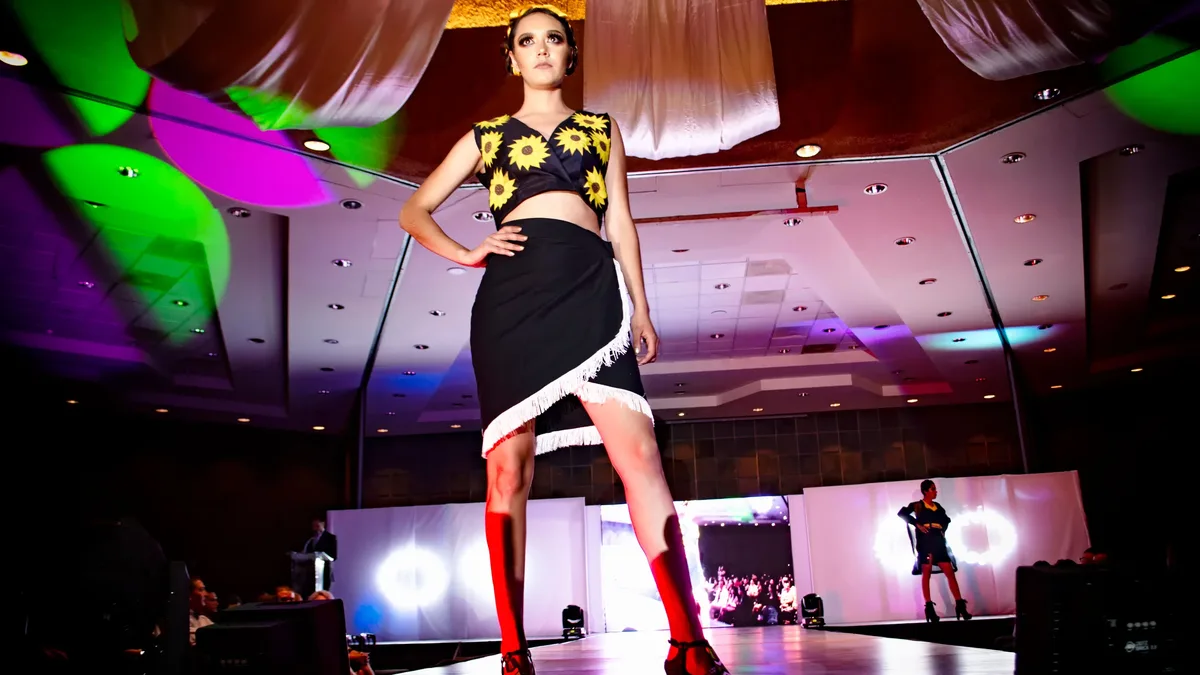
H&M and SHOWstudio Debut Interactive Tech at AW26 Show
H&M partnered with Nick Knight's SHOWstudio for an Autumn/Winter 2026 London Fashion Week show titled 'H&M&YOU&I'.

Meiyume's AW26 Concepts Target Longevity, Skinification
Meiyume has previewed three Autumn/Winter 2026 beauty concepts focused on K-beauty longevity, skin-benefiting colour, and alcohol-free fragrance.
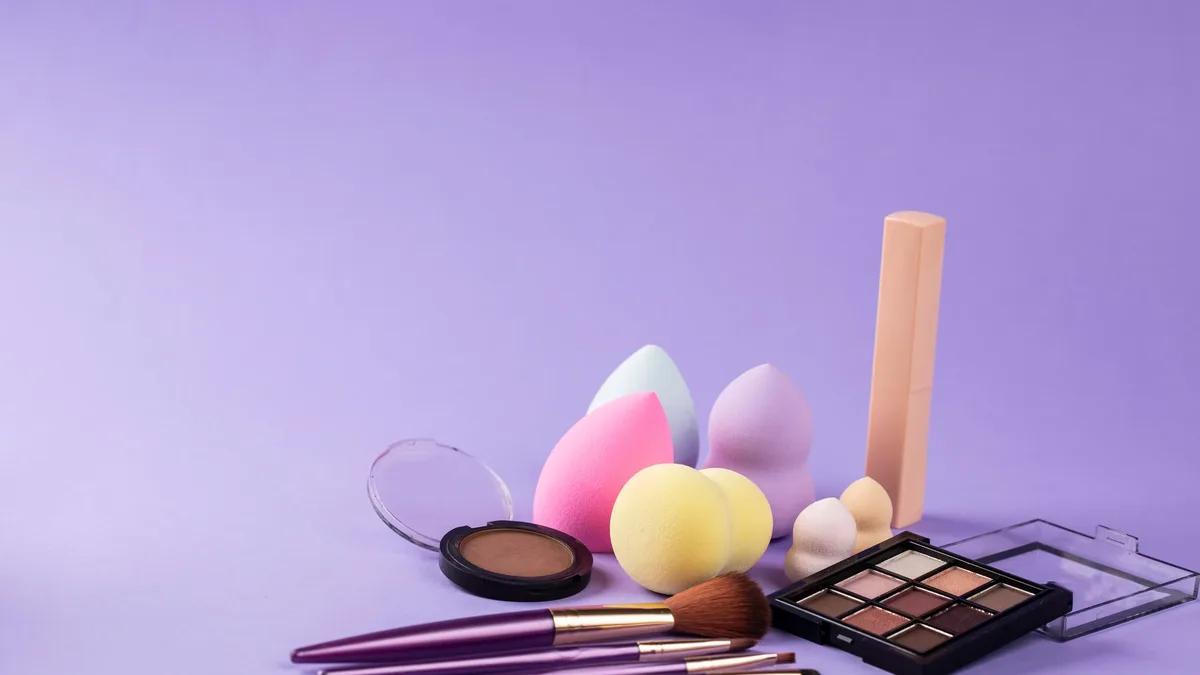
Meiyume Previews Fall-Winter 2026 Beauty Concepts
Meiyume has previewed eight key Spring-Summer 2026 collections and three core trends for Fall-Winter 2026, focusing on K-Beauty-inspired longevity
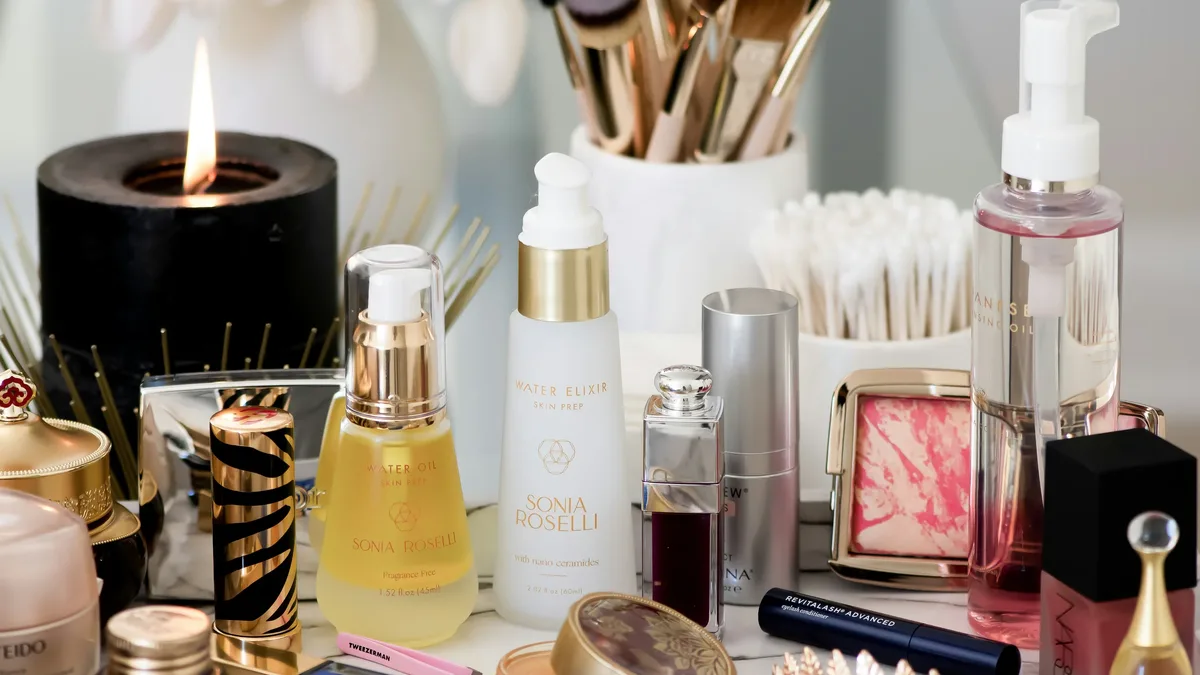
Cult Beauty forecasts suede skin and scent
Cult Beauty's autumn 2026 trend report predicts a shift towards adaptable, sensory beauty. Key trends include suede skin makeup, toasted neutrals...
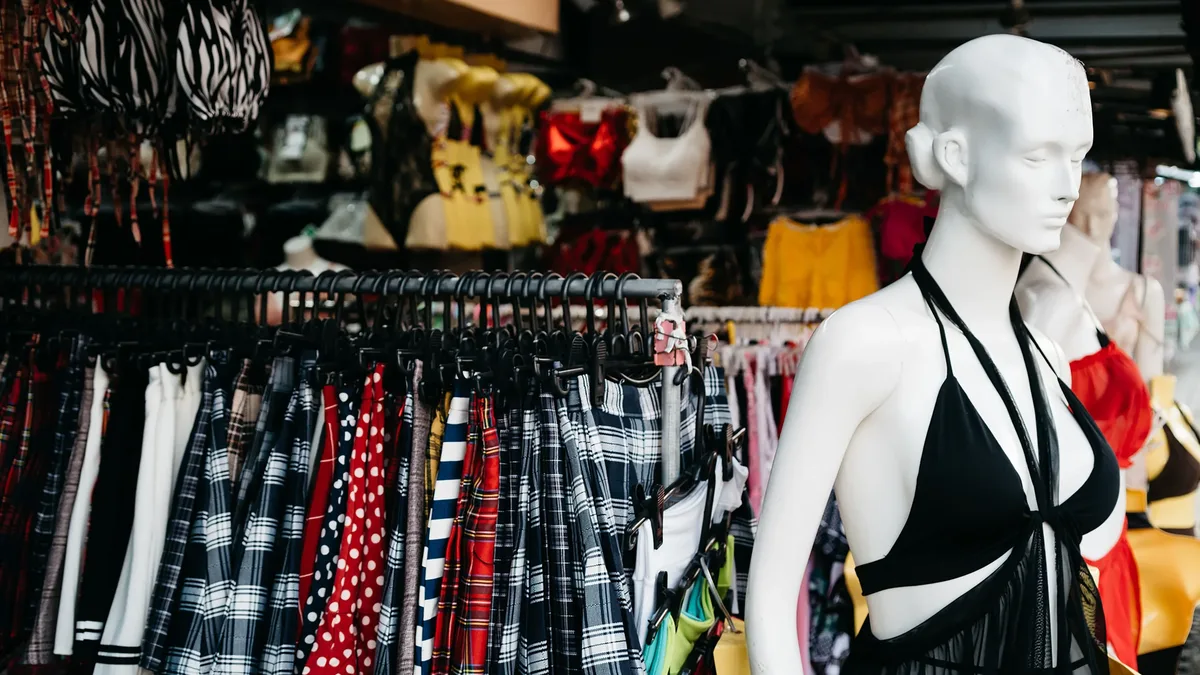
Rei Kawakubo on AI, Black, and Young
In a rare interview for Dazed's autumn 2026 issue, Comme des Garçons founder Rei Kawakubo discusses her A/W26 'Ultimately Black' collection, her...
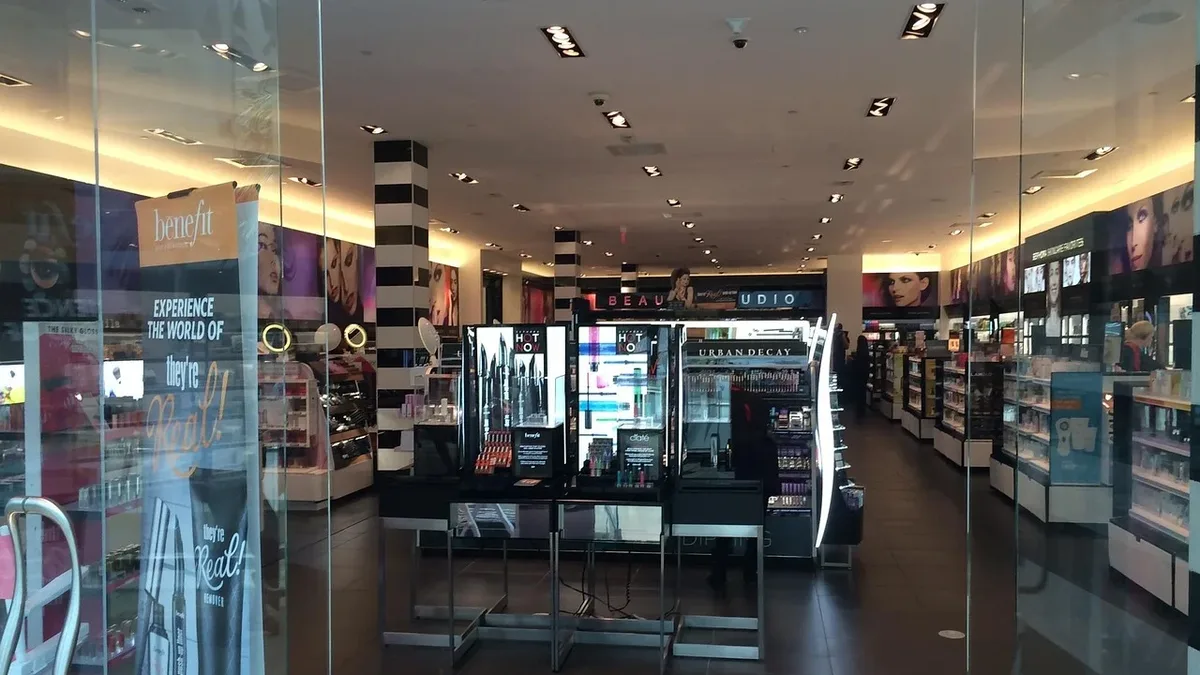
Sephora opens fifth London store this winter
Sephora will open its fifth London store at Brent Cross in November. Since its 2023 UK relaunch, it has opened an average of 3.75 stores per year.