Artist Founded Brands
| Season title | Artist Founded Brands |
|---|---|
| Show calendar | Fall/Winter 2024 |
| Original use | Designer fashion and lifestyle products |
| First created | 2020s |
| Country of origin | United States |
| Key designers | Various contemporary artists |
| Product categories | Apparel, accessories, home goods |
| Retail model | Direct-to-consumer and select stockists |
Origin and history
The Artist Founded Brands season is a contemporary development within the global fashion show calendar, emerging in the late 2010s and solidifying in the early 2020s. Its origins are intrinsically linked to the rise of direct-to-consumer digital platforms and a shift in creative industry power structures. This phenomenon first gained significant traction in fashion capitals like London and New York, where independent designer ecosystems flourished. It represents a formalization of a practice where individuals known primarily for work in music, visual arts, or entertainment launch their own fashion labels. The season's scheduling evolved organically outside the traditional Fashion Week cadence, often aligning with cultural moments or the founder's own release schedules. Its history is documented through coverage by industry trade publications and the editorial arms of major retail platforms that began curating these collections.
What it is for
The Artist Founded Brands season serves to spotlight and consolidate the fashion releases from creatives whose primary fame stems from fields other than fashion design. It provides a structured temporal framework for retailers, press, and consumers to anticipate and evaluate these collections. This season exists to differentiate these product drops from the traditional ready-to-wear and couture schedules followed by heritage fashion houses. It functions as a marketing and merchandising tool for e-commerce platforms, which often create dedicated landing pages and campaigns for these launches. The season also serves to legitimize these ventures within the broader fashion industry by granting them collective visibility. Furthermore, it creates a competitive arena where these brands are viewed in relation to one another, rather than solely against established design labels.
Overview
The Artist Founded Brands season typically features collections that are heavily influenced by the founder's personal aesthetic and public persona, often extending their artistic universe into wearable form. These releases are frequently presented through lookbooks, editorial films, or strategic social media campaigns rather than traditional runway shows. The product assortment commonly centers on statement outerwear, graphic-heavy knitwear, logo-emblazoned accessories, and limited-edition collaborative sneakers. Fabrics and construction vary widely, from premium materials mirroring luxury standards to more accessible cotton and fleece focused on graphic impact. The distribution model is predominantly direct-to-consumer online, with selective wholesale partnerships with influential retailers. Seasonality is often ambiguous, with many brands operating on a "see-now, buy-now" model or releasing capsule collections without strict adherence to the Spring/Summer or Fall/Winter calendar.
What to know
These brands often rely on the founder's existing fanbase as their initial core customer demographic, which can dictate design choices and marketing tone. Production scales are typically smaller than major fashion houses, leading to limited stock and rapid sell-outs of popular items, which fuels secondary market resale. Intellectual property and licensing agreements are a critical, often complex, underpinning for brands founded by musicians or visual artists whose primary work is owned by other entities. The longevity of such brands is frequently tied to the continued cultural relevance and active involvement of the founding artist, making them potentially volatile investments for retail buyers. Pricing occupies a wide spectrum, from high-street affordability to positioning within the contemporary luxury segment, but rarely reaches the pinnacle of haute couture. Understanding the difference between a fully-fledged brand with a design team and a simple merchandise line is essential when evaluating releases during this season.
Common questions
A common question is whether the founding artist is directly involved in the design process or if the brand is merely a licensed operation managed by a third-party company. People often inquire about the quality and fit of garments, as these can be inconsistent without the technical infrastructure of an established fashion label. Many ask how these brands handle sustainability and ethical production, given that their supply chains are often newly assembled and less transparent. Consumers frequently want to know the return policy and customer service reliability, as support is sometimes managed by external fulfillment partners rather than a dedicated team. There is regular debate over whether these items are worthwhile investments or transient novelties tied to the artist's current fame. Another frequent question concerns the brand's release schedule and how to obtain advance notice, as drops are often announced exclusively through the artist's personal social media channels.
Pros and cons
A significant pro is the unique access to a highly specific aesthetic worldview, offering fans a tangible connection to an artist's creative vision beyond their primary medium. These brands can successfully fill niche markets overlooked by mainstream fashion, introducing fresh graphics and cultural references. A major con is inconsistent quality and sizing, as many brands lack the technical design expertise and rigorous pattern-making processes of traditional apparel companies. Customers often regret purchases when garments fail to meet expectations for construction or fabric durability relative to their price point. The common mistake is buying based solely on the founder's fame without scrutinizing the garment's material composition, manufacturing origin, or independent reviews. Another drawback is the potential for abrupt brand dissolution or indefinite hiatus if the founder's interests shift, leaving customers with products from a defunct label and no support.
Who it suits
This season suits dedicated fans of the founding artist who seek to express their affiliation and support through their wardrobe choices. It appeals to early adopters and collectors within streetwear and contemporary fashion who value cultural cachet and limited-availability items. The brands often resonate with younger consumers who connect more strongly with celebrity and influencer-driven narratives than with heritage fashion house legacies. It suits retailers aiming to attract a specific demographic by leveraging the pulling power of a famous founder's name and audience. The season is also relevant to fashion journalists and critics focused on analyzing the intersection of popular culture and apparel design. It is less suited to shoppers who prioritize timeless design, guaranteed craftsmanship, and long-term brand stability over narrative and immediate cultural relevance.
Latest Artist Founded Brands news
Latest reporting
Hourglass Cosmetics Appoints Jenny Atwood Smith as Global
Hourglass Cosmetics has named make-up artist Jenny Atwood Smith as its Director of Global Artistry. In the role, she will shape the brand's artistry...
Gulf Fragrance Brands Target Latin America's Growing Market
Middle Eastern perfume houses are expanding into Latin America, where fragrance makes up 65% of beauty sales. E-commerce giant Mercado Libre has...
Fall 2026 Makeup Trends Favor Ethereal, Soft Looks
Makeup artist Dani Parkes forecasts six key beauty trends for fall 2026, including ghost lashes, anti-blush, and stained glass lips, emphasizing a...
Beauty Brands Partner with Film and TV for New Product
A surge in collaborations between beauty brands and entertainment properties is creating new product lines tied to major movies and TV shows.
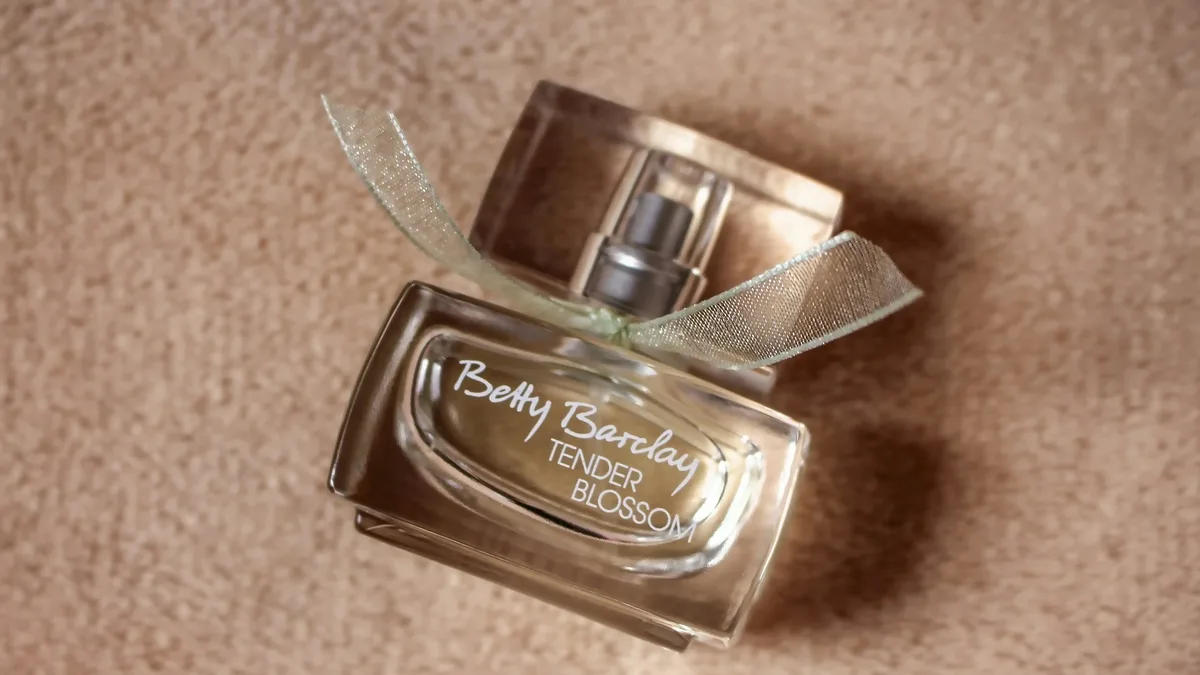
Element Brooklyn Projects $19M Sales With Luxury Fragrance
Bootstrapped brand Element Brooklyn is on track to more than double sales to $19 million this year. Its strategy centers on offering refills priced...
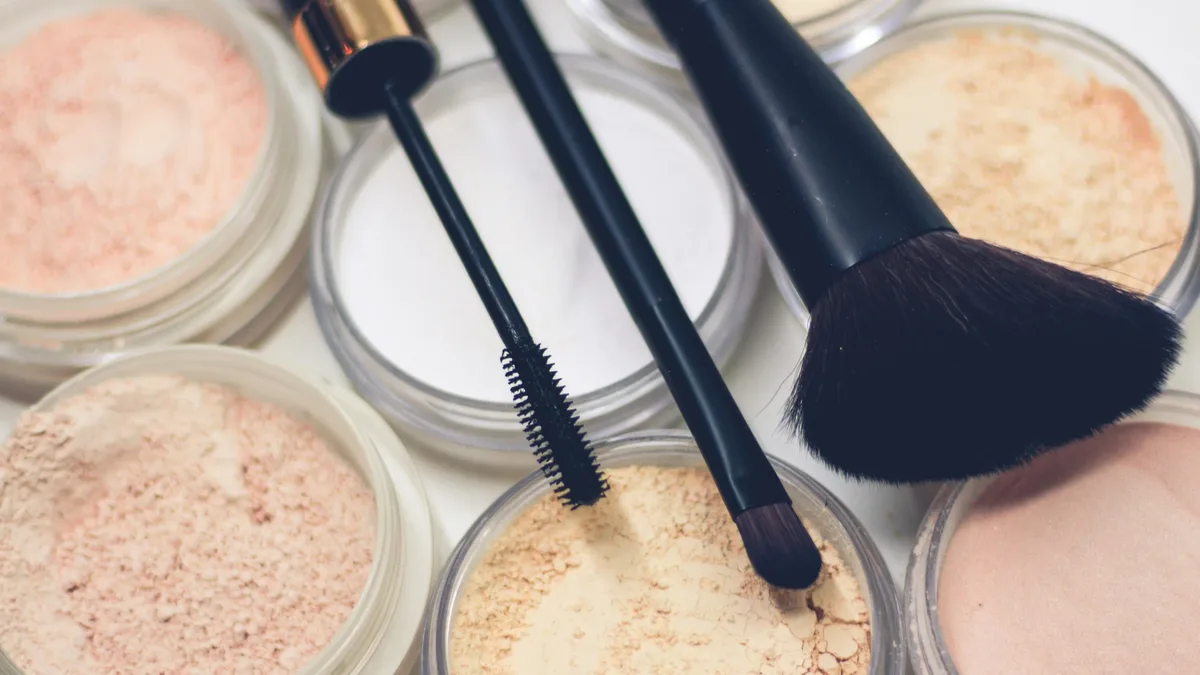
Charlotte Tilbury, Dior and Too Faced Reinvent Loose Powder
Major beauty brands are launching new loose setting powders, marking a major shift as the product is reinvented for modern, skin-health-conscious...