Ss 2026
| Season | SS 2026 |
|---|---|
| First created | 2026 |
| Original use | Fashion industry seasonal collection presentation |
| Shows typically held | February–March |
| Primary fashion capitals | Milan, Paris, London, New York |
| Key garment categories | Ready-to-wear, Resort/Pre-Fall |
| Preceding season | FW 2025/26 |
| Following season | FW 2026/27 |
Origin and history
The Ss 2026 designation originates from the global fashion industry's seasonal show calendar system. It is an abbreviation for Spring/Summer 2026, a system for categorizing and presenting collections that emerged in the mid-20th century alongside the formalization of the biannual fashion week schedule. The practice of showing collections a full season in advance was established by European fashion chambers to provide adequate time for production and wholesale ordering. The specific alphanumeric code, combining "Ss" for the season and the four-digit year, became the standardized format for industry communication and scheduling by the late 20th century. Its historical roots are tied to the centralized fashion capitals of Paris, Milan, London, and New York, which set the tempo for the worldwide calendar. The system solidified as a global framework, dictating the creative and commercial rhythm for designers, retailers, and media across continents.
What it is for
The Ss 2026 season serves as the primary framework for presenting and distributing warm-weather apparel and accessories intended for retail in the first half of 2026. Its core function is to organize the international circuit of fashion weeks where designers and brands unveil their collections to buyers, press, and influencers. This calendar dictates the production timeline for manufacturers, allowing for fabric sourcing, garment construction, and global shipping to meet in-store delivery windows. It provides a unified focus for fashion publications and trend forecasting agencies, which analyze the shows to disseminate prevailing themes, colors, and silhouettes. The season acts as a critical financial planning tool for retail businesses, guiding their purchasing budgets and inventory strategies nearly a year before the clothes reach consumers. Furthermore, it establishes a structured competitive and creative arena where brands position themselves within the contemporary market landscape.
Pros and cons
A primary advantage of the Ss 2026 calendar is its predictability, offering a stable structure for the entire supply chain to coordinate complex logistics across different time zones and markets. It generates concentrated global media attention, creating a powerful platform for brand visibility and cultural discourse around design. However, a significant con is the intense pressure and exorbitant cost it places on designers and houses, particularly smaller labels, who must produce multiple collections annually to keep pace. The rigid schedule is frequently criticized for fostering a wasteful cycle of overproduction and for being environmentally unsustainable due to travel and sample creation. Many consumers express frustration with the system, as they are presented with summer clothing in the depths of winter, creating a disconnect between desire and practicality. Brands that fail to secure optimal show times or generate media buzz during the season often regret the investment, finding their collections overlooked in a saturated and fleeting news cycle.
Who it suits
The Ss 2026 season best suits established fashion houses with substantial financial resources and dedicated teams to manage the demands of design, production, and show orchestration. It is essential for traditional multi-brand retailers and department stores whose buying cycles are irrevocably tied to this advance schedule for stocking their physical floors. Career fashion journalists, critics, and photographers whose work is defined by covering the international show circuit are inherently suited to this calendar's rhythm. Large-scale trend forecasting bureaus and material suppliers rely on the season to present and promote their directions to industry clients. The system also suits luxury consumers and collectors who engage with fashion as a forward-looking cultural artifact, enjoying early access to conceptual designs. It is less suited to direct-to-consumer brands or those focused on immediate, seasonless drops, who often bypass the traditional show calendar entirely.
Latest Ss 2026 news
Latest reporting

Dove Wins Award for Pro-Retinol Body Lotion
Dove's Pro-Retinol + Firming Lotion wins a 2026 beauty award, while a stylist shares a holiday denim look.

Hildun and Dermalogica Launch Festive 2026 Beauty Sets
The week's beauty launches include festive gift collections from Hildun and Dermalogica, alongside a new lip barrier care range.

Black Friday 2026 Beauty Deals Launch with Early Access
Early Black Friday 2026 promotions are already active, offering discounts up to 80% on beauty and wellness products alongside bundled tech deals...

Beiersdorf's Derma Brands Drive Growth Amid Portfolio Challenges
Beiersdorf's Derma division, led by Eucerin and Aquaphor, posted 10.6% organic sales growth in Q3 2026, contrasting with a 1.3% group-wide decline as...

L’Oréal Accelerates Growth with 7.7% Q3 Sales Rise
L’Oréal reported strong third-quarter 2026 sales of €11.6bn, driven by double-digit growth in professional hair care and dermatological beauty.
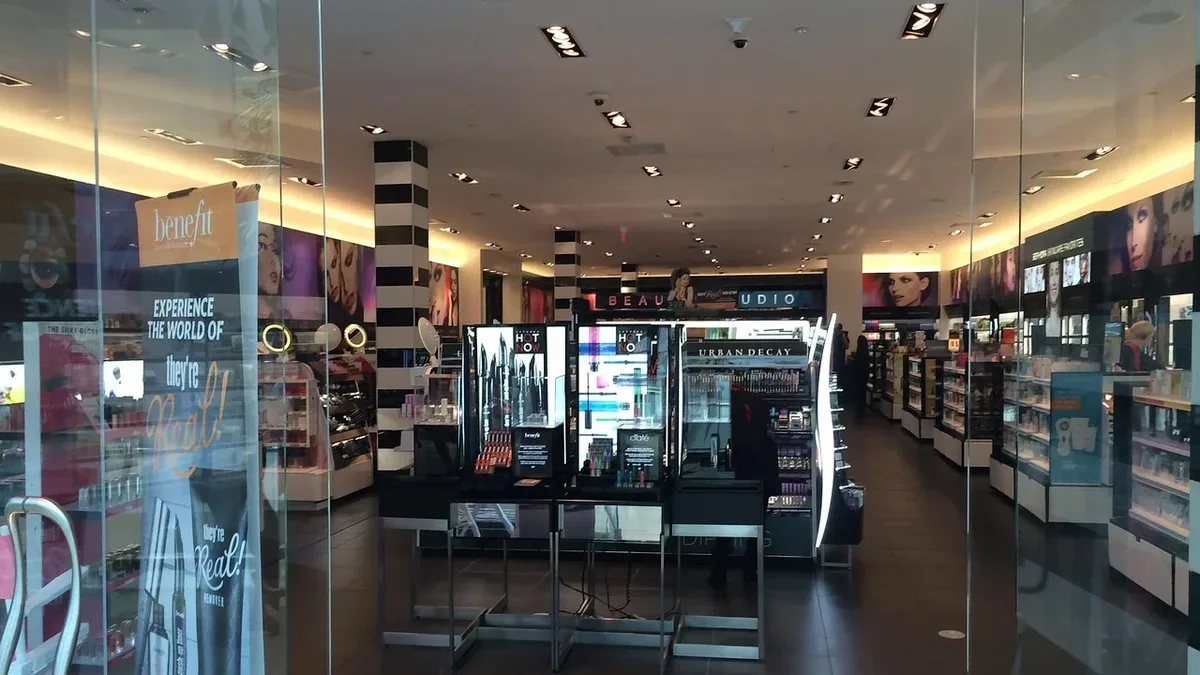
Sephora Growth Drives LVMH Beauty Performance in Q3 2026
LVMH's Selective Retailing division, led by Sephora, grew 8% organically in Q3 2026 through expansion into Belgium and Croatia and exclusive launches...