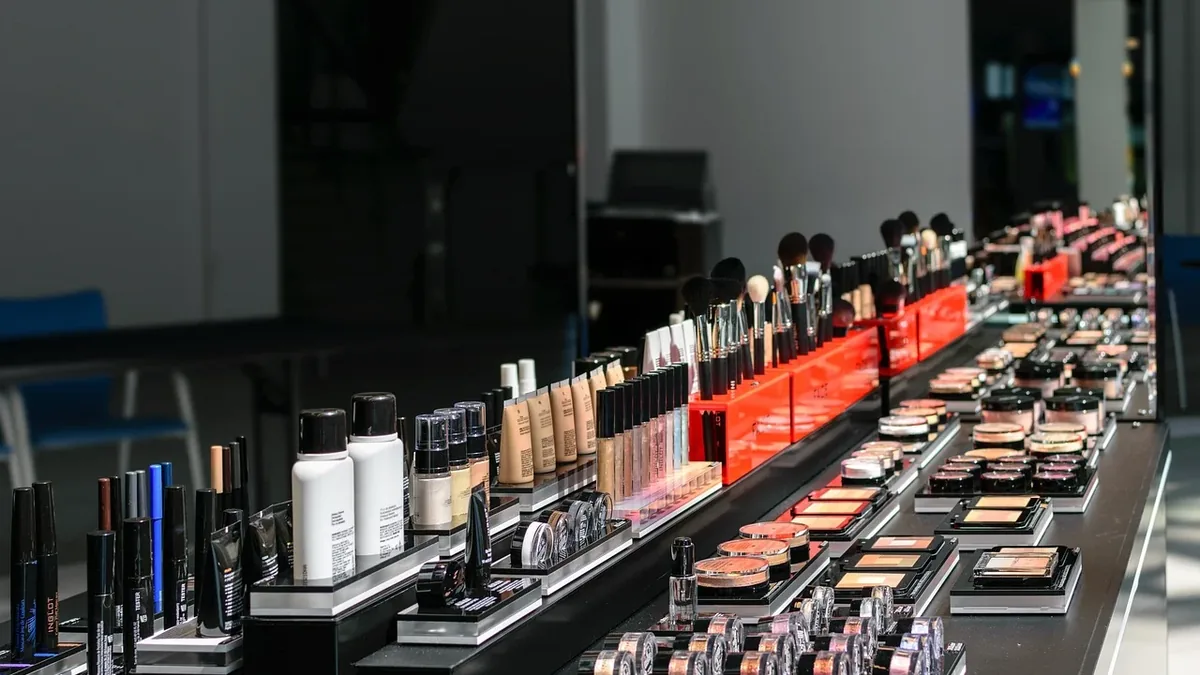
Beauty At Retail
| Season name | Beauty At Retail |
|---|---|
| First created | 2020s |
| Original use | Trade show season |
| Organizer | Informa Markets |
| Primary location | United States |
| Show format | Multi-day exhibition and conference |
| Industry focus | Retail beauty and wellness |
Origin and history
Beauty At Retail is a season and corresponding trade event calendar within the global beauty and personal care industry. Its origins are closely tied to the development of the modern retail cosmetics sector in North America and Western Europe during the late 20th century. The concept solidified as major department stores and, later, specialty beauty retailers began structuring their buying and merchandising cycles around predictable, seasonal launches. The term itself became widely used in industry publications and retail planning by the early 1990s. It formalized the practice of aligning new product introductions with key consumer spending periods and fashion cycles. This calendar was created by the industry, for the industry, to streamline the go-to-market process for countless brands and retailers. Its establishment mirrors the broader professionalization and commercialization of the beauty business during that era.
What it is for
The Beauty At Retail season serves as the primary framework for planning and executing the commercial presentation of beauty products in physical and online retail environments. Its core function is to synchronize the flow of new inventory, marketing materials, and in-store visuals between brands and retailers. It dictates when new fragrances, skincare lines, and color cosmetics collections are shipped, received, and displayed for sale. The season provides a structure for retailers to plan floor sets, promotional events, and staff training schedules. For brands, it establishes critical deadlines for production, packaging, and the creation of point-of-sale assets. Ultimately, it organizes the year into discrete, manageable commercial periods focused on maximizing consumer engagement and sales velocity.
Overview
The Beauty At Retail calendar is typically divided into several major seasonal launches, often coinciding with traditional retail quarters and holiday periods. Key segments include Early Spring (focusing on skincare and freshness), Summer (highlighting sun care and vibrant color), Back-to-School/Transitional Fall (featuring core skincare and early makeup trends), and the pivotal Holiday season (dominated by fragrance sets and giftable luxury items). There is also often a significant launch period in early Autumn for prestige color collections aligned with fashion week trends. Each of these periods sees a concentrated influx of new Stock Keeping Units (SKUs), testers, and branded merchandising units into stores. The calendar is punctuated by major trade shows where these products are first presented to buyers months in advance of the consumer launch.
What to know
The timeline for Beauty At Retail operates on a significantly advanced schedule, with retail buyers evaluating products for a season roughly six to nine months before consumers see them in stores. A brand's failure to align with this cadence often means missing the entire seasonal window. The Holiday season, roughly spanning November and December, typically represents a disproportionately large share of annual sales, particularly for fragrance. Retailers often require exclusive product configurations or packaging for this period. Space allocation within a store is highly competitive and is largely determined by a brand's performance during the previous year's corresponding season. The rise of direct-to-consumer e-commerce has pressured this traditional model, but the seasonal wholesale calendar remains dominant for broad physical retail distribution.
Common questions
What is the difference between a brand's launch date and the retail "on-shelf" date? The launch date is when marketing begins, but the on-shelf date is when inventory is physically available for sale, dictated by the retailer's set calendar. How do limited-edition products fit into the season? They are a core tactic, designed to create urgency and are strictly tied to a specific seasonal launch window, after which remaining stock is often removed. Do all beauty retailers follow the same calendar? While the major quarters are similar, mass-market, drugstore, specialty, and luxury retailers may have slightly staggered timelines and different emphasis within a season. How do skincare launches differ from color cosmetics? Skincare often emphasizes ingredient stories and seasonal needs, while color launches are more tightly coupled to fashion color trends forecasted earlier. What happens to products after their designated season ends? They may be discounted, shipped to outlet stores, or permanently discontinued depending on the brand's strategy.
Pros and cons
A primary advantage is the creation of predictable business rhythms for both supply chain and marketing, allowing for efficient planning and resource allocation. The seasonal structure generates constant novelty, driving repeat visits from consumers and steady sell-through for retailers. However, a significant con is the intense pressure and cost it imposes on brands to constantly develop and produce newness, which can lead to rushed formulations, redundant products, and increased waste. Retailers often regret overcommitting to trendy products that fail to resonate, leaving them with dead inventory and poor sell-through rates post-season. A common mistake for new brands is misunderstanding the long lead times and failing to have production and shipping logistics locked in, causing them to miss their planned launch window entirely.
Who it suits
This seasonal model suits established, well-capitalized brands with robust research and development, manufacturing, and logistics operations that can meet relentless deadlines. It is ideal for large-scale retailers whose business models depend on frequent floor set changes and promotional events to drive foot traffic. The system benefits consumers who enjoy the ritual of seasonal discovery and the excitement of limited-time offerings. It is less suited for indie or artisan brands with small-batch production, which may struggle with the scale and pace required. Furthermore, brands focused on timeless, staple products rather than trend-driven novelty often find the pressure to participate in every seasonal launch to be a misalignment with their core identity and value proposition.
Latest Beauty At Retail news
Latest reporting

Kiehl's Opens European Flagship on London's Carnaby Street
Kiehl's has opened its second standalone West End boutique and European flagship store at 43 Carnaby Street. The 1,300 sq ft, two-floor location...

Armani 15% stake sale draws luxury beauty
Giorgio Armani's will mandates the sale of a 15% stake in his fashion empire within 18 months of his death, with L'Oréal, LVMH, and EssilorLuxottica...
Kim Kardashian confirms Skims Beauty launch for 2027
Kim Kardashian has confirmed her Skims Beauty line will launch next year, marking her third major venture into the cosmetics category following KKW...
GEKA's Bavarian hub drives global mascara
At its integrated Bechhofen center, GEKA combines industrial precision, co-creation workshops, and sustainability efforts to serve nearly 180 beauty
Gulf Fragrance Brands Target Latin America's Growing Market
Middle Eastern perfume houses are expanding into Latin America, where fragrance makes up 65% of beauty sales. E-commerce giant Mercado Libre has...
NYFW Spring 2027 Beauty Trends: Bold Lips and Messy Knots
New York Fashion Week Spring/Summer 2027 runways showed seven key beauty directions, marking a shift from minimalism to bold color and textured