Galderma Acquires ZO Skin Health for $1.5 Billion
Galderma is buying ZO Skin Health in a $1.5 billion cash deal to expand in physician-dispensed skincare, combining brands like Cetaphil with ZO's clinical protocols.
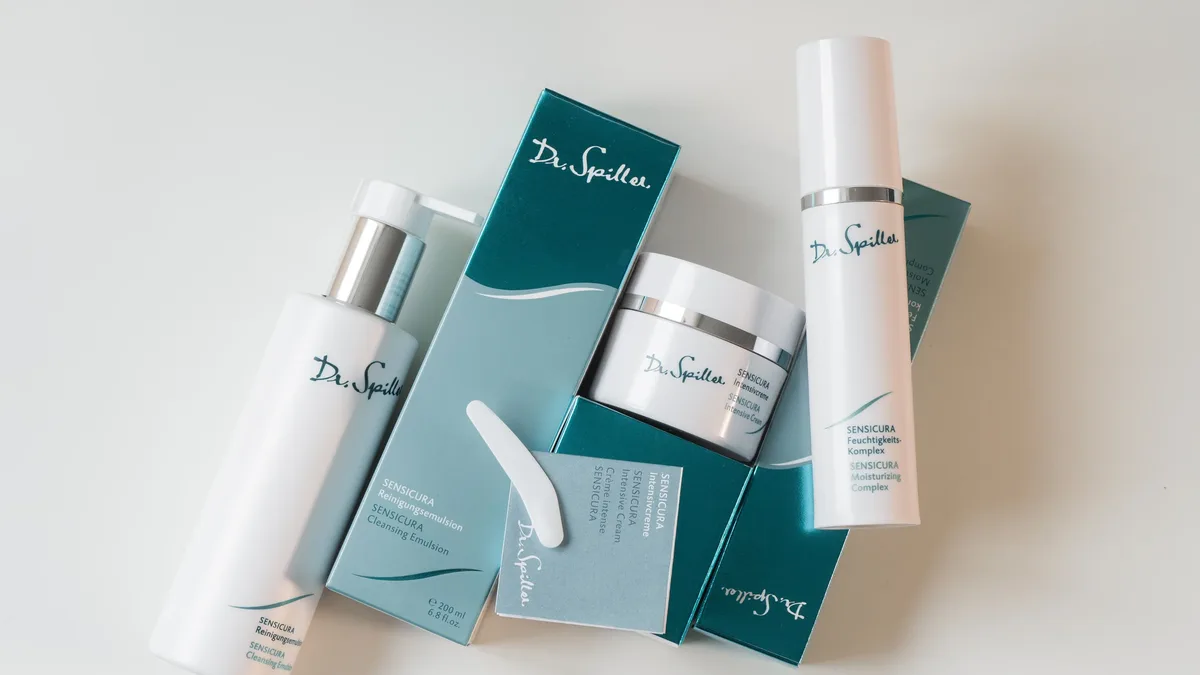
Galderma agreed to acquire ZO Skin Health for $1.5 billion in cash. The Swiss dermatology group announced the deal on October 14, funding it through cash reserves and bank financing.
This move strengthens Galderma in the high-growth physician-dispensed skincare segment. The acquisition aims to combine complementary brands and expand global reach.
Strategic rationale
The acquisition targets the attractive physician-dispensed skincare market. Galderma cites high complementarity between its products and ZO Skin Health's clinical offerings.
ZO Skin Health brings clinical credentials and a protocol-based approach. It has an established position among dermatologists and plastic surgeons. Galderma plans to use its research, education, and global commercial capabilities to support ZO's future growth. The deal broadens skincare options for health care professionals. It covers both daily maintenance and procedure-related care.
This builds Galderma’s presence at the intersection of dermatology, aesthetics, and professional skincare.
About the companies
ZO Skin Health was founded in 2007 by Dr. Zein Obagi. The company is based in Irvine, south of Los Angeles. Its products are sold through a network of over 16,500 physicians, medical spas, and online accounts. ZO Skin Health sells in approximately forty countries and its portfolio includes more than 40 products emphasizing comprehensive daily regimens.
Galderma is a Swiss group based in Zug. Its Dermatological Skincare portfolio includes the Cetaphil and Alastin brands. Alastin has focused largely on regenerative skincare for use around aesthetic procedures. Galderma also manufactures injectable anti-wrinkle products and dermatological medicines.
Financial and market context
ZO Skin Health recorded approximately $330 million in net sales during the 12 months ending June 2026. The dermocosmetics category has seen rapid growth, doubling its sales between 2019 and 2024.
| Year | Dermocosmetics Segment Sales (billions of euros) |
|---|---|
| 2019 | 14.3 |
| 2024 | 28.2 |
The segment grew 7.8 percent year-over-year in 2024. That was 2 percentage points faster than the overall beauty market. In the sector, transactions typically occur at multiples of 3.6 times enterprise value relative to sales. Multiples can be higher for high-margin beauty and skincare brands.
Impact and outlook
Galderma plans to increase commercial investment into ZO Skin Health during its first year of ownership. The company expects the acquisition to be neutral to core earnings per share in the first full year following closing. Galderma stated the acquisition will slightly dilute its EBITDA margin in 2027 before recovering from 2028.
Chief executive officer Flemming Ørnskov leads Galderma. The company's revenue was $5.2 billion in 2025. Galderma originated from a 1981 joint venture between L'Oréal and Nestlé. Nestlé bought out L'Oréal's stake in 2014 to create a dedicated skincare subsidiary, which it later sold in 2019. Galderma was listed on the Swiss Stock Exchange in March 2024. L'Oréal acquired a stake and increased it to 20% the following year.
Stefan Schneider noted the transaction is "'sensée' non seulement d’un point de vue 'stratégique', mais aussi 'financier'." Galderma plans to strengthen the foundation for renewed growth starting in the second year after closing. The transaction is expected to achieve a margin broadly in line with Galderma’s average from 2028 onward.
Galderma expects to finalize the transaction by end of 2026 or beginning of 2027.