
Body And Hand Care Trends
| Season name | Body And Hand Care Trends |
|---|---|
| First created | 2020s |
| Original use | Forecasting upcoming product and ingredient trends in the cosmetics industry |
| Typical presentation format | Trend report or presentation deck |
| Primary audience | Cosmetic industry professionals, product developers, beauty journalists |
| Common sources | Market research firms, ingredient suppliers, beauty trade shows |
| Key components | Highlighted ingredients, product formats, claimed benefits, aesthetic directions |
Origin and history
The concept of seasonal body and hand care trends originates from the global cosmetics and personal care industry, primarily driven by marketing and product development cycles in North America, Europe, and East Asia. This practice of aligning skincare and body care products with seasonal themes became a formalized retail strategy in the late 20th century. It evolved from basic seasonal offerings, like heavier creams for winter, into a complex trend forecasting system tied to fashion weeks and cultural events. The publication of seasonal trend reports by major beauty conglomerates and industry analysts became standardized in the 1990s and 2000s. These trends are now announced biannually, often synchronized with the Spring/Summer and Fall/Winter ready-to-wear fashion calendars. The cycle is further influenced by trade shows like Cosmoprof and In-Cosmetics, where ingredient and product launches are previewed.
What it is for
Seasonal body and hand care trends serve to guide consumer purchasing decisions and refresh retail product assortments within a predictable cycle. For retailers and brands, these trends create a rationale for launching new products and discontinuing older ones, driving continuous consumer engagement and sales. The trend framework provides a cohesive narrative that links disparate product categories, such as scrubs, lotions, and hand creams, under a unified sensory or ingredient theme. It also allows brands to respond to, or capitalize on, broader cultural and environmental shifts, such as a growing focus on sustainability or specific wellness movements. On a practical level, these trends often address common seasonal shifts in skin condition, like dryness in winter or sun exposure in summer. Ultimately, the system functions to transform routine body care from a utilitarian practice into a more experiential and fashion-conscious activity.
Overview
Seasonal body and hand care trends are characterized by a dominant set of attributes announced by industry leaders each season, encompassing fragrance profiles, key ingredients, textures, and aesthetic packaging. A trend for a season may emphasize a specific sensory experience, such as "comforting and creamy" for autumn or "light and refreshing" for spring. Ingredient narratives are central, often highlighting a particular botanical extract, vitamin, or compound purported to address seasonal skin needs. Texture innovation is a frequent focus, with trends promoting formats like whipped body butters, water-gel creams, or exfoliating wash cloths. The color and design of packaging are also curated to align with seasonal color palettes popular in fashion and interior design. These trends are disseminated through brand lookbooks, beauty editorials, and influencer campaigns, creating a unified message across the market.
What to know
It is important to know that these trends are primarily industry-driven commercial cycles, not necessarily directives from dermatological or scientific consensus. The featured "hero" ingredients are often selected for their novelty or marketing appeal as much as for their proven efficacy. Trends can vary significantly by region, with Asian markets favoring different textures and ingredients compared to Western markets, even within the same seasonal cycle. The lifespan of a specific trend is typically short, often lasting only one retail season before being supplanted by the next theme. While trends can introduce consumers to beneficial new ingredients or formulations, they can also encourage over-consumption and frequent product switching. Understanding that core, perennial products like a basic moisturizer or sunscreen often form a more stable routine than chasing every trend is a practical consideration.
Common questions
A common question is whether one needs to change their body and hand care products every season, to which the answer is that it depends entirely on individual skin needs and climate, not the trend calendar. Consumers often ask if seasonal trend products are more effective, and while they may be well-formulated, their performance is not inherently superior to non-trend-driven products. People inquire about the sustainability of these rapid cycles, questioning the environmental impact of constant packaging redesigns and limited-edition product runs. Another frequent question concerns the origin of trend predictions, which are developed by dedicated trend forecasting agencies and internal marketing teams within large beauty corporations. Many wish to know how to identify a genuine trend versus a brand's isolated marketing claim, which is best done by observing concurrent launches across multiple, competing companies. Finally, individuals often ask if they are missing out by not participating, which reflects the powerful social and marketing pressure these cycles generate.
Pros and cons
A primary pro is that seasonal trends can introduce innovation and excitement into a mundane routine, encouraging consistent self-care. They provide a curated shortcut for consumers overwhelmed by choice, offering a themed selection of products that work together sensorially. For brands, they are a vital tool for staying relevant and competitive in a fast-paced market. A significant con is that this cycle promotes constant consumption and can lead to product waste, as limited editions are discontinued and packaging becomes dated. Consumers with sensitive skin may experience adverse reactions from frequently changing formulations in pursuit of trends. A common mistake is assuming a trending product is universally suitable, when it may contain fragrances or actives incompatible with one's skin type. Many who regret following trends find themselves with cabinets full of partially used products that did not live up to marketing claims or suit their long-term needs.
Who it suits
Seasonal body and hand care trends suit consumers who enjoy beauty as a hobby and derive pleasure from experimenting with new textures, scents, and product experiences. They are well-suited to individuals whose skin is not sensitive or reactive, allowing them to safely trial new formulations without major consequence. These trends appeal to those who view personal care as an extension of fashion and enjoy aligning their routines with the broader cultural moment. Retail buyers and beauty editors are a professional audience for whom understanding these trends is essential to their work. They are less suited to individuals seeking a minimal, cost-effective, or medically-necessary skincare regimen, as the cycle can be distracting and expensive. Ultimately, they best suit the engaged consumer who approaches them with awareness of their commercial nature and without abandoning foundational products that work.
Latest Body And Hand Care Trends news
Latest reporting
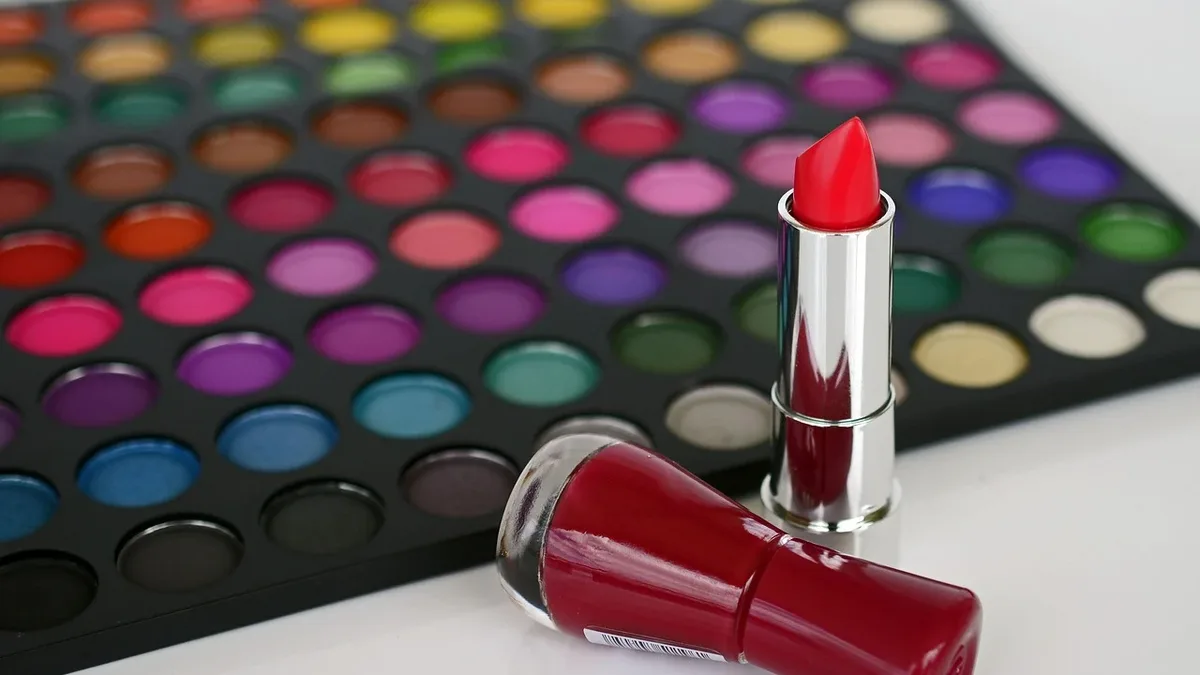
NYFW Spring 2027 Beauty Trends: Bold Lips and Messy Knots
New York Fashion Week Spring/Summer 2027 runways showed seven key beauty directions, marking a shift from minimalism to bold color and textured
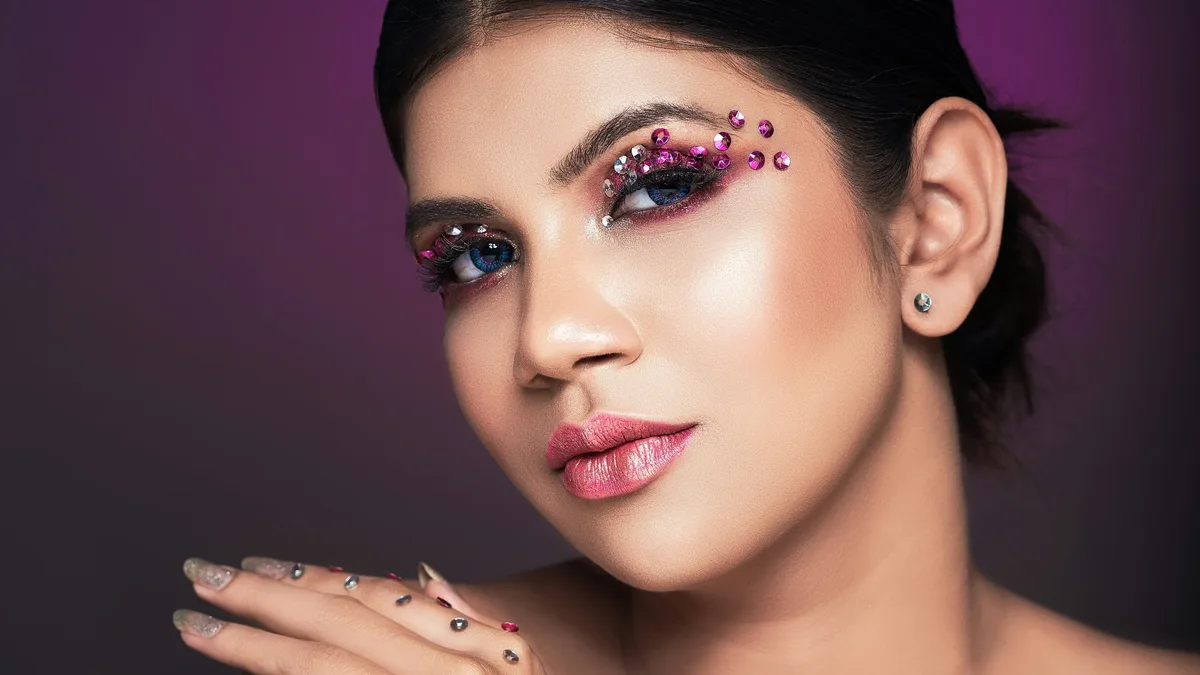
Fall 2026 Makeup Trends Favor Ethereal, Soft Looks
Makeup artist Dani Parkes forecasts six key beauty trends for fall 2026, including ghost lashes, anti-blush, and stained glass lips, emphasizing a...

New York Fashion Week Spring 2027 Beauty Trends
New York Fashion Week for Spring/Summer 2027 has set the season's beauty direction, with trends including retro glamour, blonzed glows, and undone...
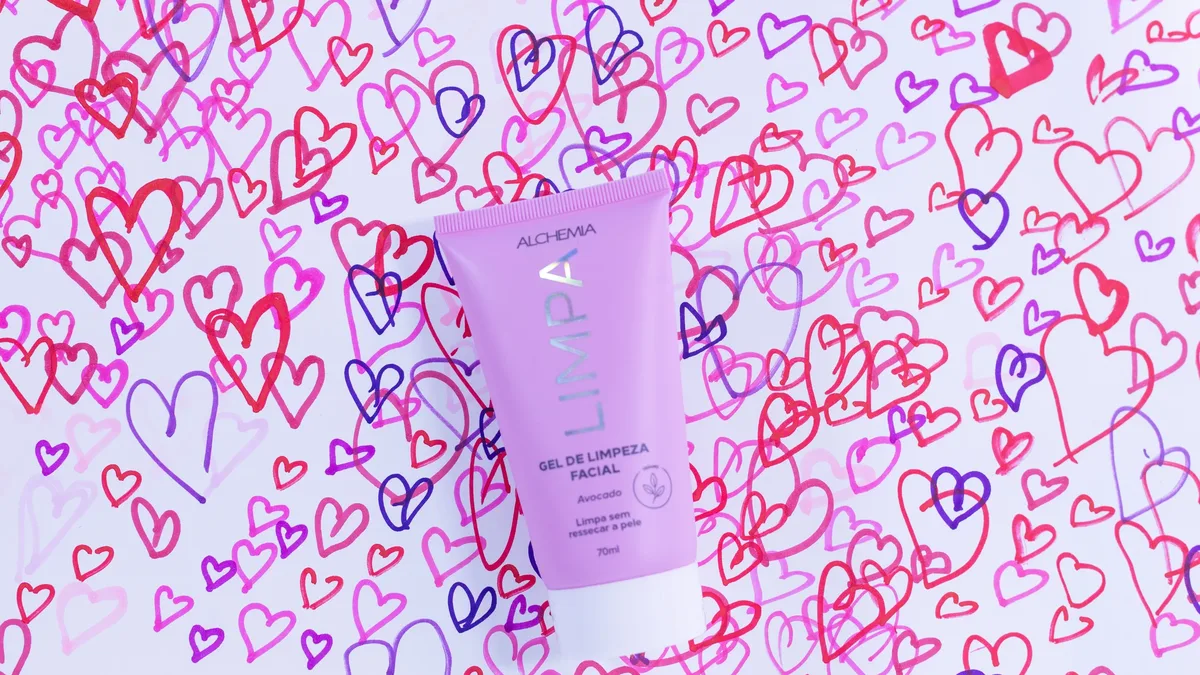
Lush relaunches Charity Pot lotion after customer demand
Lush is bringing back its discontinued Charity Pot body lotion starting September 15, 2024. The product, which costs £11, donates 75% of its sales...
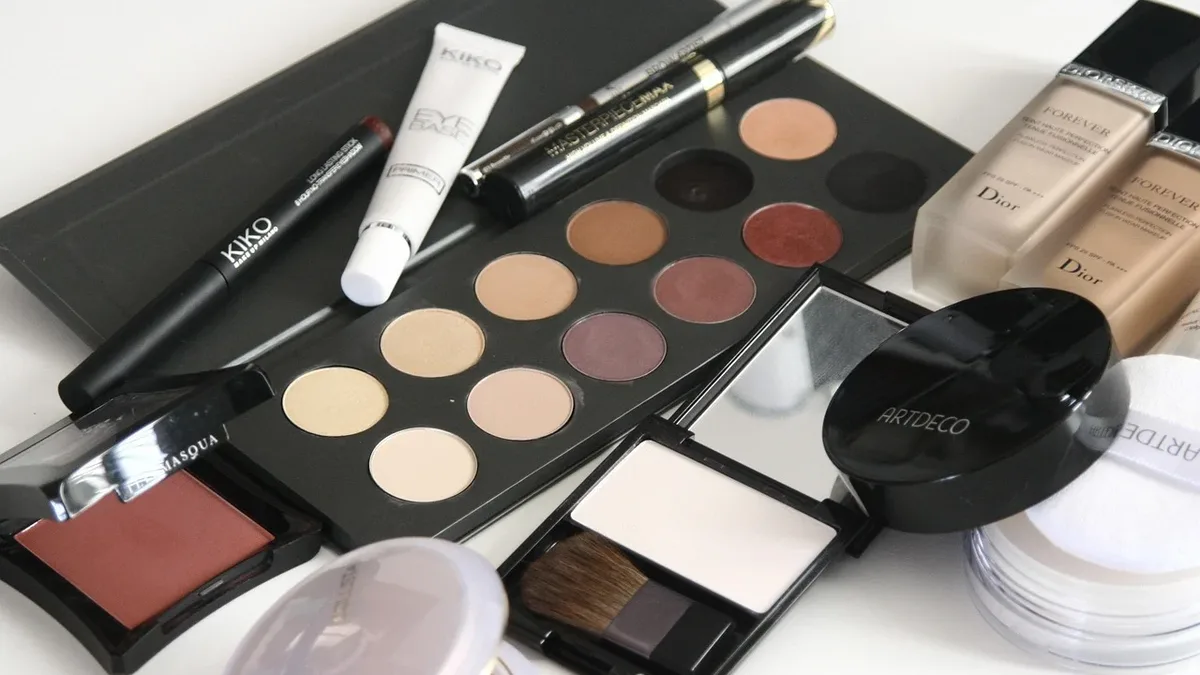
Make-up Trends 2026: Skin-Care Hybrids and Maximalism Return
A new report from Cosmetics Business details the top make-up trends for 2026, highlighting a market rebound driven by skin-care-infused formulas and a
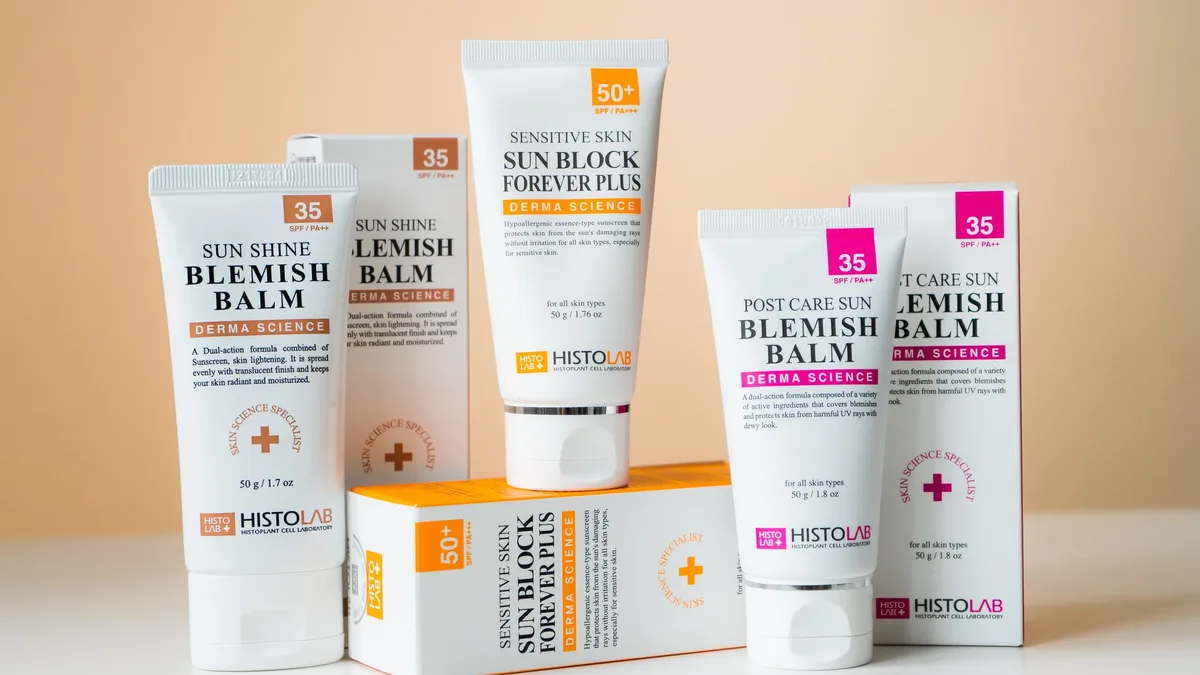
ALPOL Cosmétique Unveils Three Hybrid Sun Protections
French manufacturer ALPOL Cosmétique has prioritized hybrid daily protection, launching three new SPF 50+ products combining sun care with skincare...