Hair Loss Morality Trend on TikTok
A 2026 report critiques the online trend of linking hair health to moral character, highlighting creators and experts who call this narrative harmful.
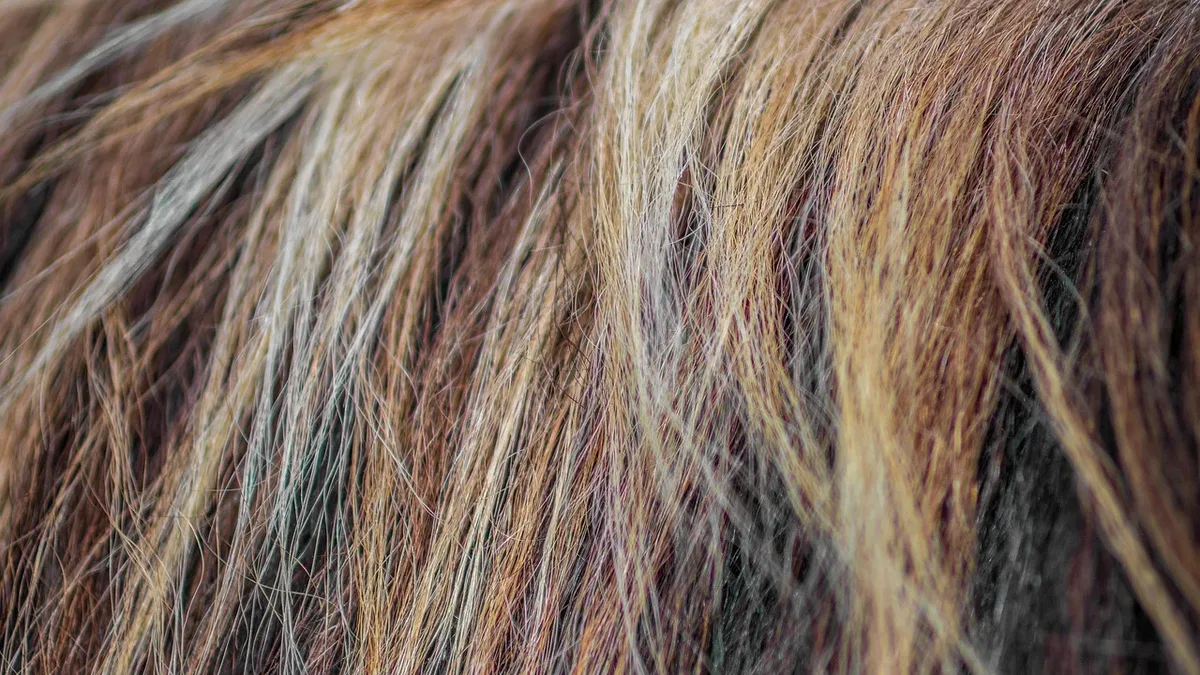
A viral trend on TikTok is linking hair quality with moral virtue. The phenomenon, reported by Dazed Digital on August 27, 2026, sees users suggesting good character prevents hair loss.
Creator Leia Batula, a 24-year-old alopecia awareness advocate, lost around 70 percent of her hair in 2024. She describes the experience as devastating, fundamentally altering her self-image and comfort in public. Batula notes that alopecia is unpredictable, yet online discourse often frames hair loss as a personal or moral failing.
The Historical Roots of Hair Morality
Hair historian Rachael Gibson states the idea that appearance reflects inner character is centuries old. Gibson says hair has long carried meanings related to religion, femininity, and social status. In Western history, loose, uncovered hair on women could be read as morally improper.
The concept of "presentable" hair has also been used as a tool of control. Gibson points out this is especially true for Black people, who have faced systemic policing of natural hair textures. Eurocentric beauty standards have historically privileged straighter hair, shaping ideas of "good hair."
Health Supremacy and Online Jokes
Gibson links current trends to "health supremacy," where hair condition is seen as a direct reflection of bodily health. This parallels past beauty standards that deemed body hair unhygienic for women but healthy for men.
The phrase "pure of heart" is now used jokingly in beauty contexts online. Users claim being "pure of heart" prevents wrinkles, illness, or hair loss. While often a joke, the punchline relies on the old assumption that good people do not go bald.
Julie Dickson, a fine-hair specialist, says clients often feel they are doing something "wrong"to cause thinning. She dismisses popular myths, attributing hair loss mostly to genetics, stress, environment, or illness."The most dominant moral emotion that attaches to the body is shame."
Chasing hair loss solutions can become expensive. While some treatments like minoxidil are affordable, trending products and extensions drive spending. This pursuit occurs within a culture increasingly obsessed with aesthetic perfection and youthfulness.