Backstage Makeup Artists
| Show | RuPaul's Drag Race |
|---|---|
| Original network | MTV |
| Season number | 16 |
| Format | Competition |
| Original release | January 2024 |
| Country of origin | United States |
Origin and history
The professional role of the backstage makeup artist emerged in the early 20th century alongside the development of modern theatrical and film industries. Its formalization is closely tied to the rise of Hollywood studio systems in the 1920s and 1930s, where dedicated makeup departments became essential. Pioneering artists like Max Factor, who developed makeup specifically for film, established the technical foundations for backstage work. The craft further evolved with the growth of professional theatre, fashion shows, and later, television production, each demanding specialized techniques. The creation of unions and guilds, such as the Make-Up Artists and Hair Stylists Guild in the United States, helped standardize the profession from the mid-20th century onward. This history is rooted in Western entertainment industries, though parallel traditions exist in other global performance cultures like Kabuki in Japan or Chinese opera.
What it is for
Backstage makeup artistry is for the specific purpose of preparing performers for an audience under artificial lighting and at a distance. It is fundamentally designed to enhance or alter facial features to read clearly from the stage or screen, which is its primary distinction from everyday cosmetic application. This work serves to realize a character design as dictated by a director, costume designer, or creative director, translating two-dimensional concepts into a three-dimensional, living face. It is for ensuring continuity, meaning the performer's appearance remains consistent across multiple scenes, acts, or shooting days. The role also addresses practical performance needs, such as applying makeup that withstands sweat, vigorous movement, and quick changes under time pressure. Furthermore, it is for problem-solving, using prosthetic applications, aging techniques, or fantasy makeup to achieve effects that are impossible through casting alone.
Overview
A backstage makeup artist is a technical specialist operating within the pre-production and performance periods of a show, concert, film, or fashion event. Their workspace is typically a crowded, shared dressing room or a mobile station in the wings, characterized by organized chaos and strict time constraints. The role involves close collaboration with hair stylists, wardrobe assistants, and stage managers to adhere to a precise call schedule. The toolkit is extensive, featuring professional-grade products like alcohol-activated paints, silicone prosthetics, heavy foundations, and setting sprays rarely found in consumer markets. Their responsibilities extend beyond application to include meticulous research, designing makeup plots that chart each character's look per scene, and maintaining kit hygiene. The overarching goal is to create a visual effect that supports the narrative and survives the demanding conditions of live performance or high-definition filming.
What to know
The backstage makeup artist's work is governed by the lighting design; colors and contours must be adjusted to complement gel colors and avoid washing out under intense stage lights. Time management is a critical skill, as artists often have only minutes to execute a full look or execute a drastic change between scenes. They must be proficient in sanitation protocols to prevent skin infections and cross-contamination among multiple performers, especially when using shared products. Understanding the hierarchy of a production is essential, as the artist takes direction from the department head or key makeup artist and must communicate needs clearly to stage management. Knowledge of historical periods, fashion trends, and anatomical drawing is often as important as technical makeup skill for achieving authentic or conceptual looks. The role is physically demanding, requiring long hours of standing, often in poorly ventilated spaces, and the career is largely freelance, requiring self-discipline in business and networking.
Common questions
A common question is how backstage makeup differs from retail or beauty counter makeup, with the key difference being formulation intensity, longevity, and coverage designed for performance conditions. Many ask about the educational path, which typically involves specialized cosmetology or theatrical makeup programs, though many artists also learn through apprenticeships and assistant roles. People frequently inquire about how artists break into the industry, which relies heavily on portfolio development, assisting established artists, and building relationships within specific sectors like theatre, film, or fashion. A regular question concerns how artists handle allergic reactions or skin sensitivities during a show, which is managed through pre-show patch tests and maintaining detailed records of products used on each performer. Others ask about the process for creating extreme aging or fantasy looks, which involves techniques like layering latex or silicone prosthetics, stippling with adhesives, and using reference materials. Individuals often wonder about the stress level, which is significant due to the live, un-editable nature of performances and the absolute non-negotiability of show start times.
Pros and cons
A significant pro is the deep creative satisfaction of contributing to a live art form and seeing your work under lights in front of an audience. The role offers immense variety, rarely following a routine, as projects and creative challenges change with every new production or client. However, a major con is the highly irregular and often insecure income, with frequent periods of unemployment between contracts that require diligent financial planning. The work environment itself is a con, as it can involve cramped spaces, poor ergonomics, high stress, and very long, anti-social hours that extend late into the night. A common mistake for newcomers is prioritizing artistic perfection over speed, failing to practice for the time constraints that are a fundamental reality backstage. Many who regret entering this field cite the physical toll, the difficulty in maintaining personal relationships due to scheduling, and the challenge of constant self-promotion in a saturated freelance market.
Who it suits
This career suits individuals who are collaborative by nature but can work with intense autonomy and focus under direct supervision. It is ideal for problem-solvers who thrive on last-minute changes and can remain calm and resourceful when a prosthetic fails minutes before curtain. Those with a strong interest in both art and technical craft, who enjoy the research and preparation as much as the application, will find the work fulfilling. It suits people who are highly organized and meticulous, capable of managing a complex kit, tracking continuity, and adhering to strict sanitation standards without reminder. The profession is not suited for those who require a stable, predictable schedule or a consistent, guaranteed income, as the workload is project-based and seasonal. Ultimately, it best suits individuals who derive their primary professional satisfaction from being an essential, though often unseen, part of a larger creative ensemble.
Latest Backstage Makeup Artists news
Latest reporting
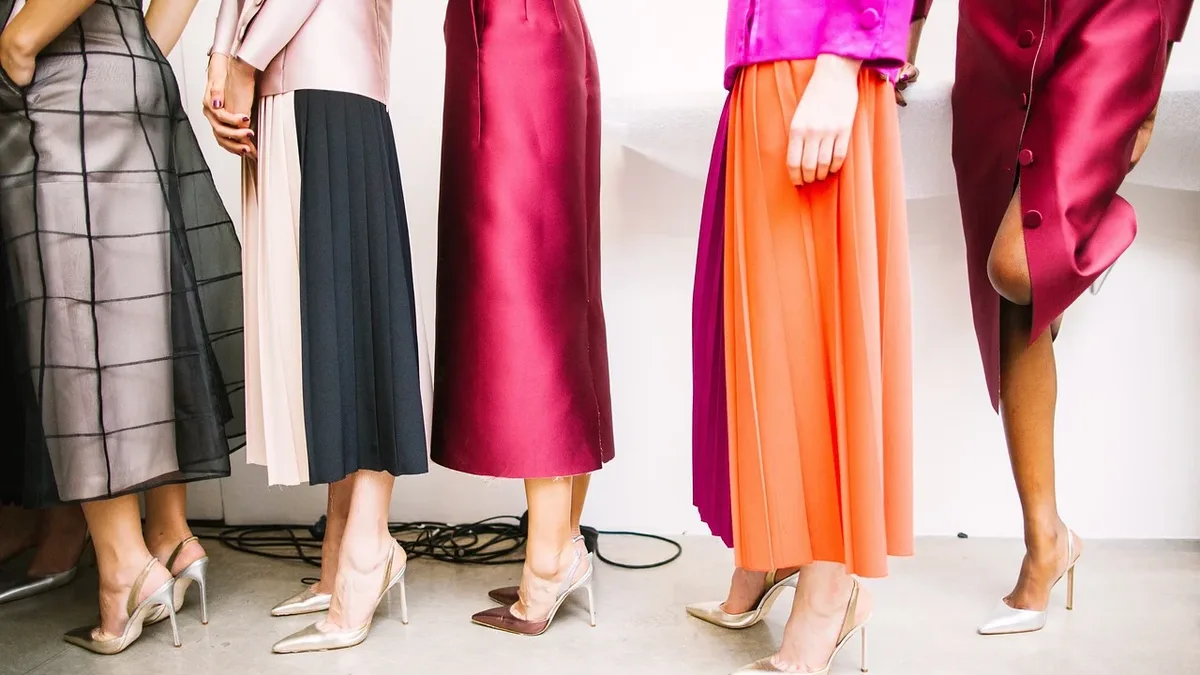
Louis Vuitton Launches Vivienne Beauté Pat McGrath Figurine
Louis Vuitton has released a £2,940 Vivienne figurine honouring Dame Pat McGrath to mark the first anniversary of its La Beauté makeup line, blending...
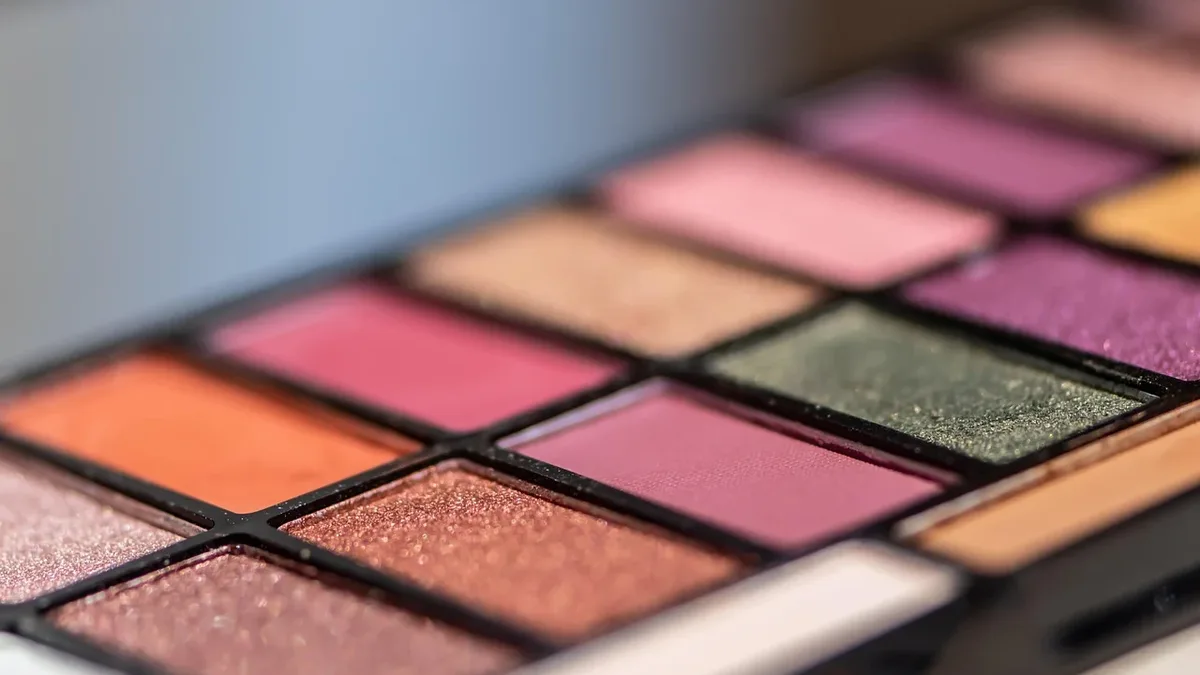
Lucia Pieroni Appointed Chanel Creative Makeup Director
Chanel names Lucia Pieroni as its new Creative Makeup Director, effective September 14, 2026. The appointment marks a strategic shift back to a...
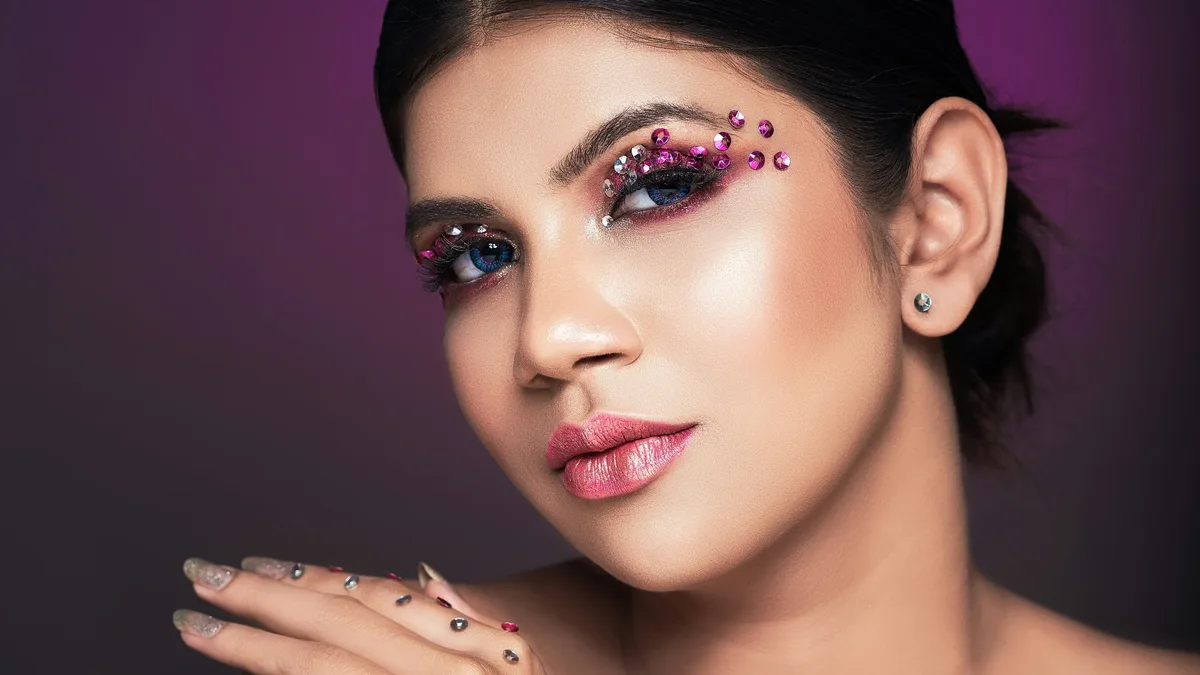
Fall 2026 Makeup Trends Favor Ethereal, Soft Looks
Makeup artist Dani Parkes forecasts six key beauty trends for fall 2026, including ghost lashes, anti-blush, and stained glass lips, emphasizing a...
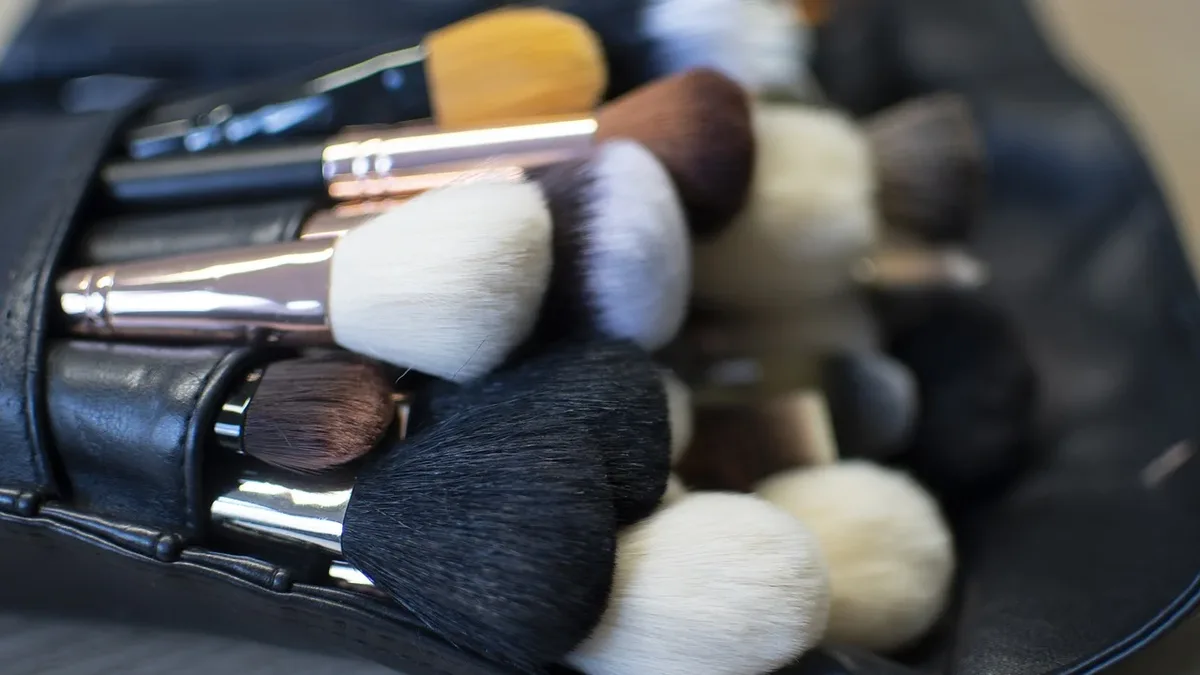
Bobbi Brown on selling her brand to Estée Lauder
Makeup artist Bobbi Brown discussed the 1995 sale of her namesake brand to Estée Lauder Companies on a podcast, describing it as emotional and...
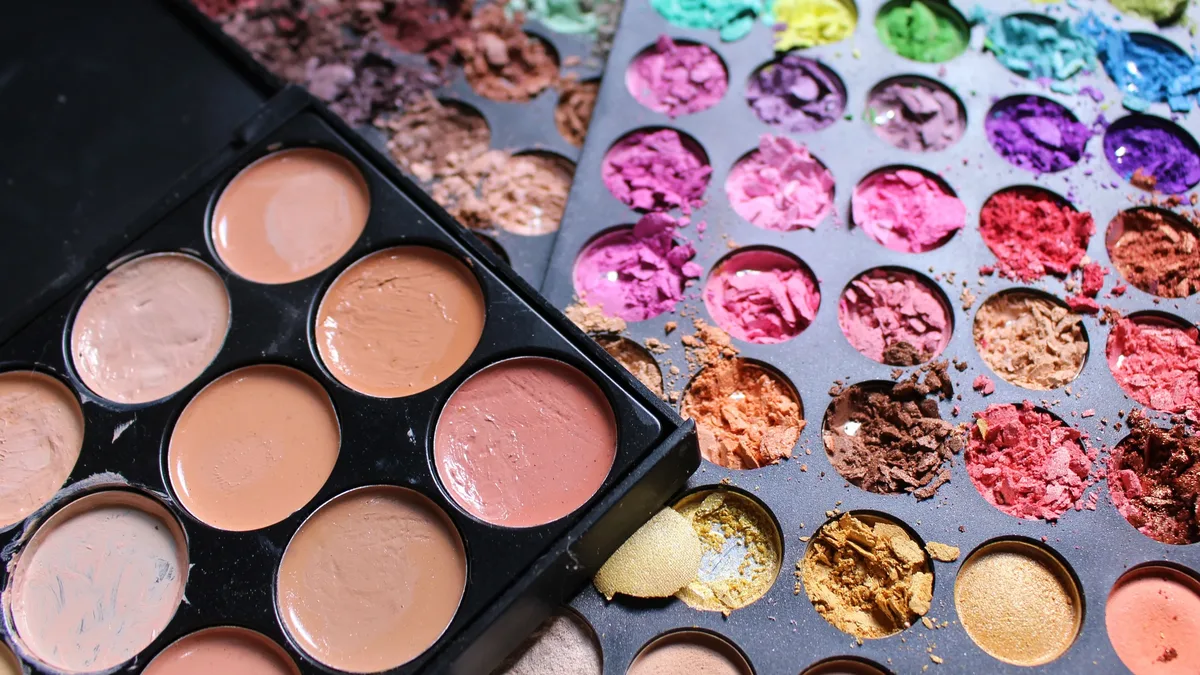
Full Coverage Foundation Evolves as Skin-Like Finishes Gain
Makeup artists note a shift from full coverage foundation to customizable, skin-like complexion products, with techniques focusing on targeted...
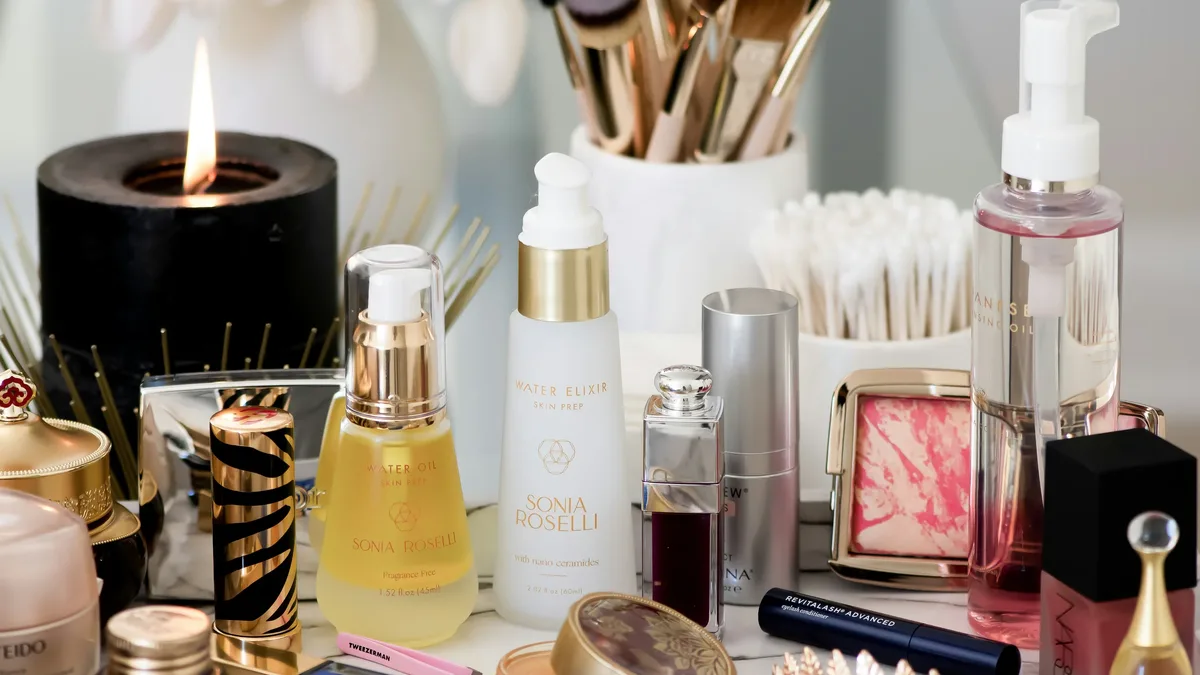
Cult Beauty forecasts suede skin and scent
Cult Beauty's autumn 2026 trend report predicts a shift towards adaptable, sensory beauty. Key trends include suede skin makeup, toasted neutrals...