
Blush Placement
| Subject | Blush Placement (season) |
|---|---|
| Type | Seasonal makeup trend |
| First documented | Early 21st century |
| Original use | Facial sculpting and complexion enhancement |
| Key feature | Strategic application to shape the face |
| Common areas | Cheekbones, bridge of nose, temples |
| Typical finish | Matte to satin |
| Associated tool | Angled or fluffy brush |
Origin and history
Blush Placement as a defined seasonal concept within horticultural and floral design calendars originates from Western Europe, with its formal documentation emerging in the late 20th century. It developed alongside the specialized cultivation of cut flowers for event and interior design industries, which required precise scheduling of bloom availability. The term itself is drawn from the visual effect of certain flowers and foliage that exhibit soft, diffuse pink and coral tones, reminiscent of a natural blush on the skin. Its historical roots are tied to the breeding programs of the 1980s and 1990s that focused on extending the color palette and longevity of commercially available blooms. This period saw increased hybridization efforts to create varieties with these specific, subtle colorations that could be reliably produced for market. The season was codified by floral wholesalers and event stylists to categorize and market this specific aesthetic and its associated plant material.
What it is for
The Blush Placement season serves to coordinate the commercial availability of specific floral and botanical material that shares a cohesive, soft color profile. It is primarily for the planning and execution of event decor, particularly weddings and springtime social functions that demand a romantic, ethereal ambiance. Floral designers and event planners use this seasonal marker to source appropriate peonies, garden roses, ranunculus, and foliages that are at their peak during this window. It also guides interior stylists and home gardeners in selecting plants that will achieve a particular muted, warm-toned aesthetic for installations or landscapes. The season provides a critical framework for growers to schedule their greenhouse production and for wholesalers to manage inventory and promotions. Furthermore, it assists clients in visualizing and selecting a theme that is intrinsically linked to the natural availability of key blooms, ensuring design feasibility and cost predictability.
Overview
The Blush Placement season is characterized by a curated palette of botanicals featuring soft pinks, warm peaches, creamy ivories, and muted coral tones, often accented with grey-green or sage foliage. It typically aligns with the late spring to early summer period in the Northern Hemisphere, though greenhouse cultivation allows for some extension of its availability. Key floral staples include certain cultivars of peonies like 'Sarah Bernhardt' or 'Coral Charm', spray roses such as 'Vendela', and double ranunculus. The aesthetic emphasizes a sense of gentle abundance and organic, garden-grown texture rather than rigid formality. Foliage plays a supporting but crucial role, with materials like silvery artemisia, seeded eucalyptus, and dusty miller providing a soft, hazy backdrop. The overall effect is one of understated romance and warmth, deliberately avoiding stark contrasts or vibrant, saturated colors.
What to know
The availability of specific blossoms within the Blush Placement season is highly dependent on grower schedules and regional weather patterns, making advance ordering essential. While the color theme is consistent, the exact species and varieties available may shift from year to year based on cultivation success and market trends. This season often commands a premium price due to the high demand for its signature blooms, particularly peonies, which have a relatively short natural harvest window. Not all pink-toned flowers qualify; the distinction lies in the specific muted, dusty, or warm undertones, excluding cooler fuchsias or hot magentas. Designers working within this season frequently incorporate textured elements like dried floral pods or bleached branches to add depth and a timeless quality. Understanding that "blush" refers to a spectrum of hues, not a single color, is critical for managing client expectations and creating harmonious arrangements.
Common questions
A common question is whether Blush Placement arrangements can be created outside of the traditional late spring season, and the answer is yes, but with limitations and often higher cost due to imported or forced greenhouse stock. Many ask about the longevity of the key flowers, with peonies and garden roses being relatively hardy if properly conditioned, while ranunculus can be more delicate. Clients often inquire if white flowers can be included, and ivory, cream, and very pale blush tones are considered integral to the palette, but stark white can disrupt the soft harmony. There is frequent confusion between Blush Placement and other pink-themed seasons, such as those featuring bold tropical flowers or deep burgundy hues, which belong to different aesthetic and scheduling categories. Gardeners commonly ask which plants they can grow to achieve this look, with recommendations often including certain herbaceous peonies, David Austin roses, and cosmos. Another typical question concerns complementary colors, with accents typically limited to soft mauves, very pale yellows, and copper or bronze metallics for containers.
Pros and cons
A significant advantage of the Blush Placement season is its strong association with romance and elegance, making it a reliably popular and appealing choice for a wide audience. The available flowers are often luxurious and texturally rich, allowing for visually complex and sophisticated designs. However, a major con is its susceptibility to supply chain volatility; poor weather in growing regions can drastically limit the availability of key blooms like peonies, derailing planned designs. The aesthetic can also verge on being overly ubiquitous or predictable, leading to events that lack distinctive character if not carefully personalized. A common mistake is over-mixing varieties within the limited palette, resulting in a muddy or indistinct color composition rather than a clear tonal story. Individuals who prefer bold, modern, or high-contrast visuals often regret choosing this season, finding it too soft or traditionally feminine for their taste.
Who it suits
This season particularly suits clients seeking a classic, romantic, and timeless aesthetic for events such as weddings, anniversary parties, or spring celebrations. It is ideal for venues with garden, countryside, or soft architectural settings that complement the gentle color story. Individuals who appreciate subtlety and tonal variation over dramatic color statements will find this season aligns with their visual preferences. The palette is also flattering in photographic and video contexts, often providing a soft, glowing backdrop that enhances skin tones. It suits designers and florists who specialize in lush, garden-style arrangements that emphasize natural form and organic texture. Furthermore, it is a practical choice for projects where a warm, welcoming, and universally pleasant atmosphere is the primary decorative goal.
Latest Blush Placement news
Latest reporting
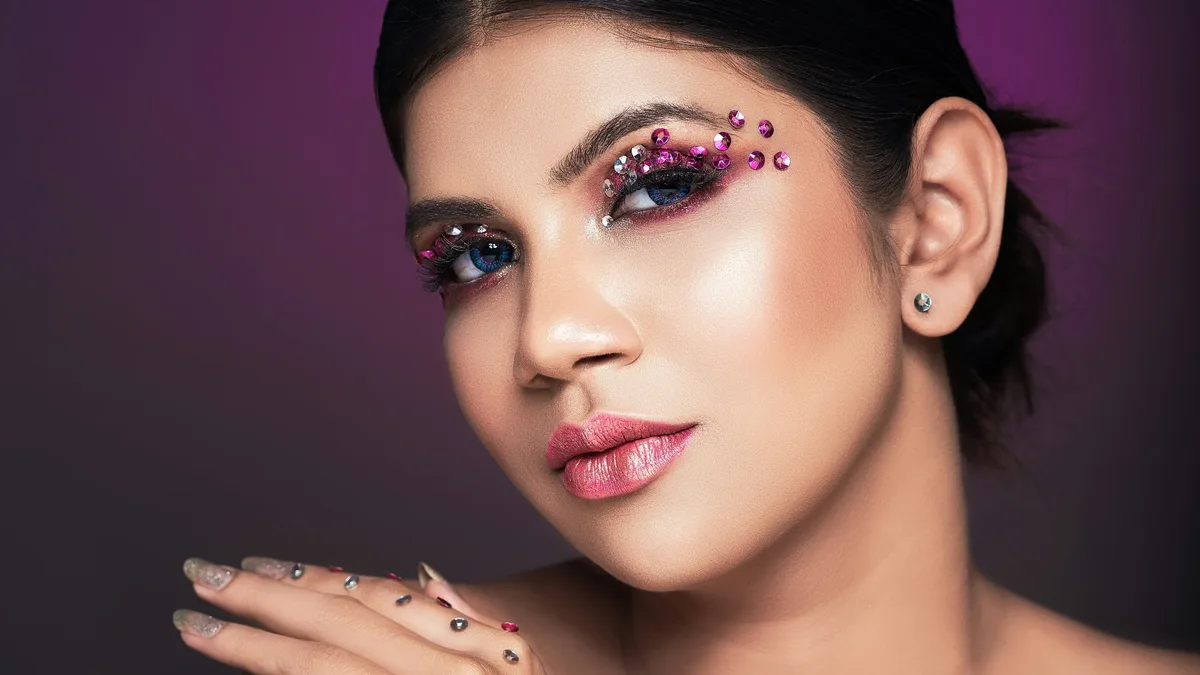
Fall 2026 Makeup Trends Favor Ethereal, Soft Looks
Makeup artist Dani Parkes forecasts six key beauty trends for fall 2026, including ghost lashes, anti-blush, and stained glass lips, emphasizing a...
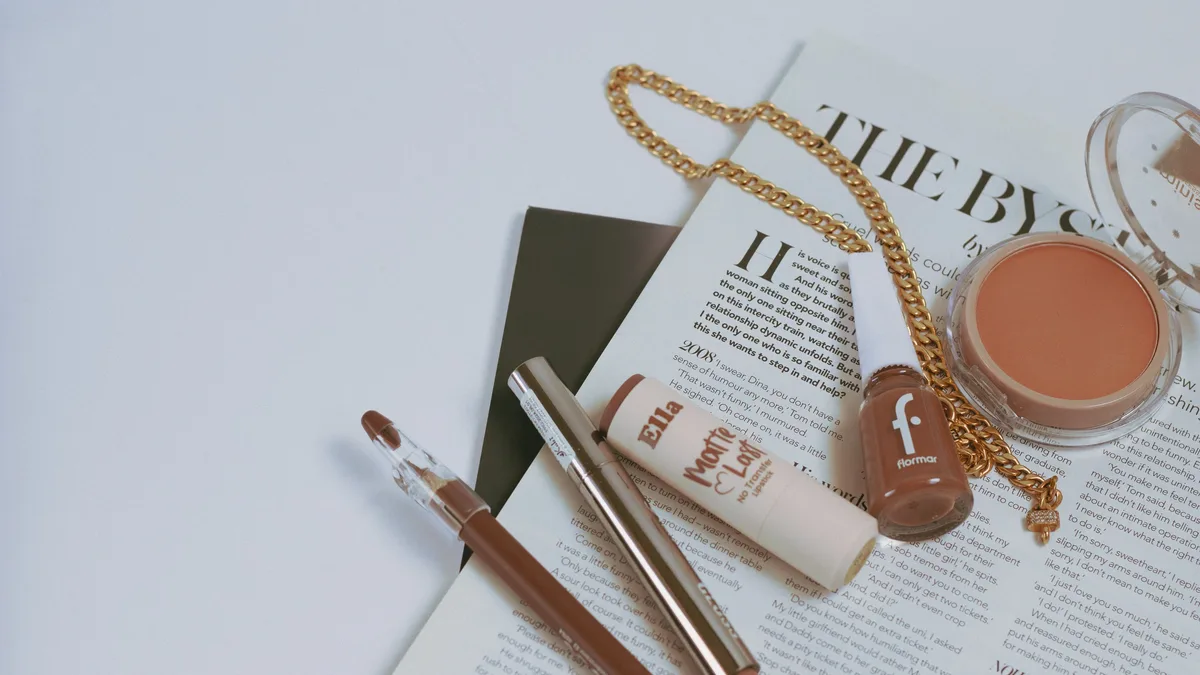
E.l.f. Cosmetics Launches $6 Sheer For It Blush Tints
E.l.f. Cosmetics has released a new nine-shade collection of sheer, long-lasting lip and cheek tints priced at $6 each.
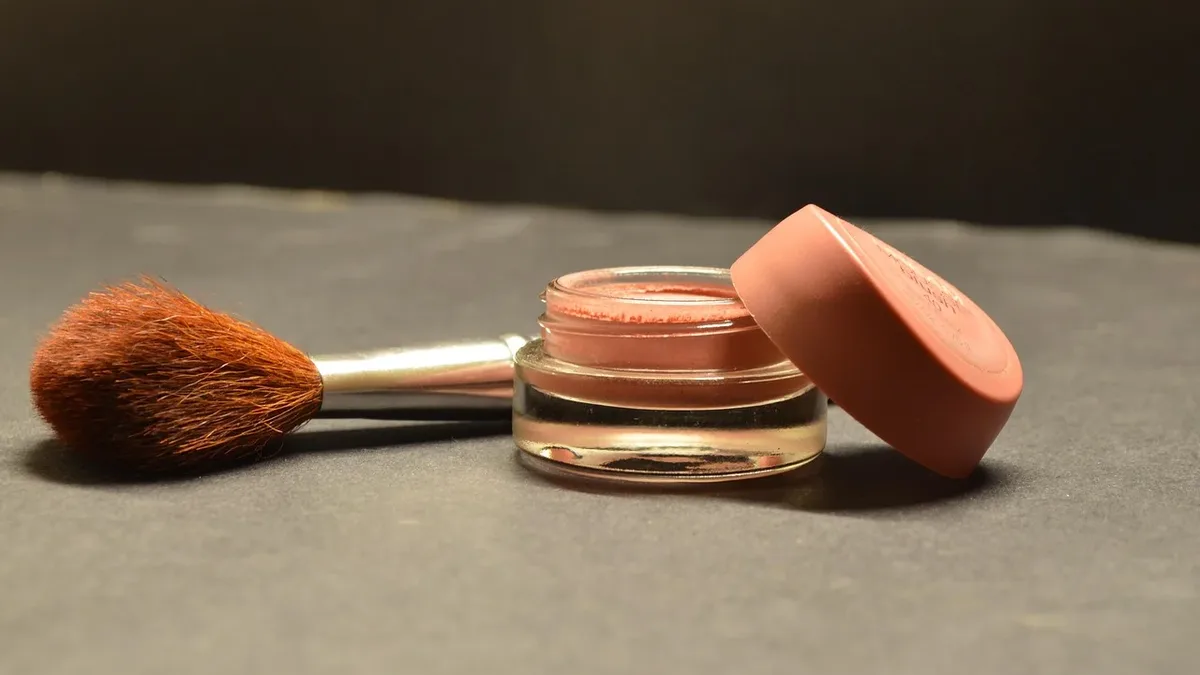
Charlotte Tilbury Airbrush Flawless campaign
Charlotte Tilbury's new Airbrush Flawless campaign stars Jerry Hall and Grace Van Patten, promoting a £40 loose powder and a £35 blush.