Brand Launches
| Original use | To present new automotive brands and models to the public and media |
|---|---|
| Typical location | Major international auto shows (e.g., Paris, Geneva, Detroit) |
| Primary participants | Automobile manufacturers, automotive journalists, industry analysts |
| Typical timing | Aligns with major auto show schedules (often biannual or annual) |
| Key activities | Vehicle unveilings, press conferences, test drives for media |
| Content focus | New brand identity reveals, debut of production or concept vehicles |
| Audience | Trade professionals, automotive press, dedicated enthusiasts |
Origin and history
Brand Launches as a concentrated seasonal event is a modern phenomenon originating in the globalized retail and fashion industries of the late 20th century. Its structure is heavily influenced by the traditional fashion calendar established in early 20th century Europe, particularly Paris and Milan. The consolidation of major product releases into specific windows evolved alongside the growth of dedicated fashion media and trade shows in the 1980s and 1990s. This period saw the formalization of seasonal buying cycles for wholesale buyers and the subsequent marketing of these cycles directly to consumers. The rise of digital media in the early 21st century accelerated the public-facing aspect of Brand Launches, turning them into widely publicized events. The season is now a fixed pillar of the commercial year, dictated by the need to synchronize manufacturing, distribution, marketing, and retail across global supply chains.
What it is for
The Brand Launches season serves to systematically introduce new products to the market, replacing previous seasonal assortments. Its primary function is to align industry-wide release schedules, providing a coherent framework for retail buyers, press, and influencers to preview and order inventory. It creates a controlled narrative for marketing departments to generate focused consumer demand and media coverage within a defined period. The season also serves to clear existing stock from previous cycles, making room for new merchandise in retail environments. For consumers, it establishes predictable periods of novelty, encouraging planned purchasing and engagement with brand news. Furthermore, it structures the financial year for brands, creating clear revenue milestones and performance benchmarks tied to launch success.
Overview
The Brand Launches season typically revolves around two major cycles: Spring/Summer and Fall/Winter, with many industries now incorporating additional sub-cycles like Resort and Pre-Fall. It encompasses not just the release of products but a coordinated ecosystem of events including fashion shows, trade fairs, press previews, and media embargoes. The timeline begins months in advance with trade presentations for buyers, followed by public-facing marketing campaigns and influencer seeding. The culmination is often a public release date, after which products become widely available through various retail channels. This season is observed across multiple sectors including apparel, footwear, beauty, and increasingly technology and consumer goods adopting similar models. The entire process is meticulously planned, with strict adherence to release calendars to maintain competitive parity and market order.
What to know
Launch dates are often staggered, with premium or flagship products frequently releasing earlier or through exclusive channels before a wider rollout. Many brands employ a "see now, buy now" model for some lines, while maintaining traditional seasonal previews for others, creating a complex purchasing landscape. Collaborations and limited-edition capsules often launch within this season but follow their own, more abrupt timelines and distribution rules. Inventory is frequently produced in limited quantities initially, a strategy that can create artificial scarcity and drive immediate sell-throughs. The official launch period is often preceded by a "pre-launch" phase for loyalty program members or select retailers, creating tiered access. It is crucial to understand that advertised "launch dates" typically refer to initial availability, with full size runs or colorways sometimes trickling out weeks later.
Common questions
A common question is whether items sold out at launch will be restocked, which varies significantly by brand and product type, with many limited runs explicitly labeled as one-time productions. Consumers often ask if launch prices are the final prices, with some industries seeing introductory discounts while others hold firm, and sale pricing typically occurring only at the end of the season's lifecycle. Many inquire about the difference between a "global launch" and a "regional launch," where products may release months apart in different markets due to logistics or strategy. A frequent point of confusion is the disparity between items shown on a runway or in a campaign and what is actually produced for sale, with some pieces being conceptual only. People often question the rationale behind buying at full price during a launch, to which the standard industry response centers on securing desired items before they sell out. There is also consistent inquiry into how to get advance access, which usually involves joining a brand's loyalty program or following specific retailers for early links.
Pros and cons
A significant pro is the curated novelty and excitement it generates, providing a clear focal point for consumer interest and media coverage that benefits the entire industry. The structured timeline allows for efficient supply chain planning and inventory management for both brands and retailers. For enthusiasts, it offers predictability and the opportunity to acquire the latest products before they become commonplace. A major con is the frequent artificial scarcity and hype-driven purchasing environment, which can lead to frustration, opportunistic reselling, and buyer's remorse when products do not meet expectations. The relentless pace can create unsustainable consumerism and design fatigue, pressuring brands to constantly produce newness at the expense of quality or timelessness. Many consumers regret launch purchases when identical or similar items are discounted heavily just a few months later as the next launch approaches, revealing the high initial markup.
Who it suits
This season suits dedicated brand enthusiasts and early adopters for whom having the latest items immediately is a primary source of enjoyment and social capital. It is geared toward industry professionals, including retail buyers, journalists, and influencers, whose jobs require contemporaneous knowledge and coverage of new products. The launch model suits consumers with disposable income who prioritize novelty over value and are less sensitive to paying full retail price. It is less suited to budget-conscious shoppers, who would benefit from waiting for end-of-season sales, or those who prefer a more considered, less time-pressured purchasing process. Individuals who dislike the competitive and sometimes chaotic nature of limited drops, including online queues and quick sell-outs, often find the launch season stressful and unsatisfactory. It ultimately serves the ecosystem of brands and retailers seeking to manage demand and maximize initial sell-through more than it serves the average consumer looking for durable value.
Latest Brand Launches news
Latest reporting
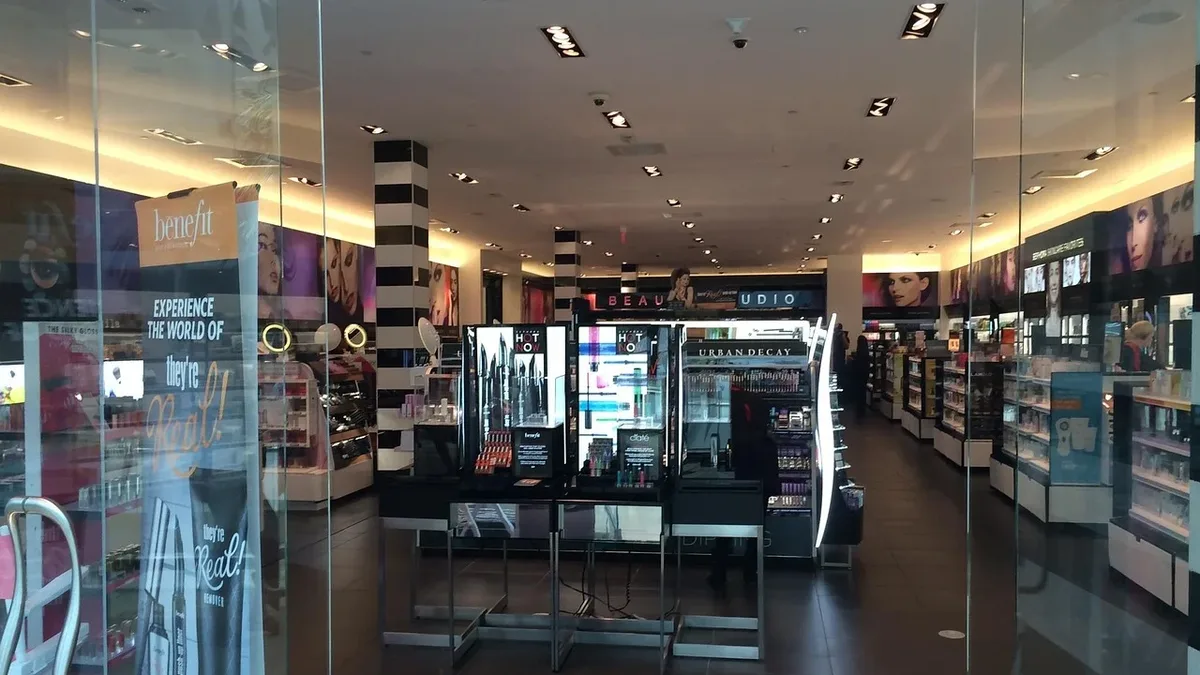
Sephora Growth Drives LVMH Beauty Performance in Q3 2026
LVMH's Selective Retailing division, led by Sephora, grew 8% organically in Q3 2026 through expansion into Belgium and Croatia and exclusive launches...
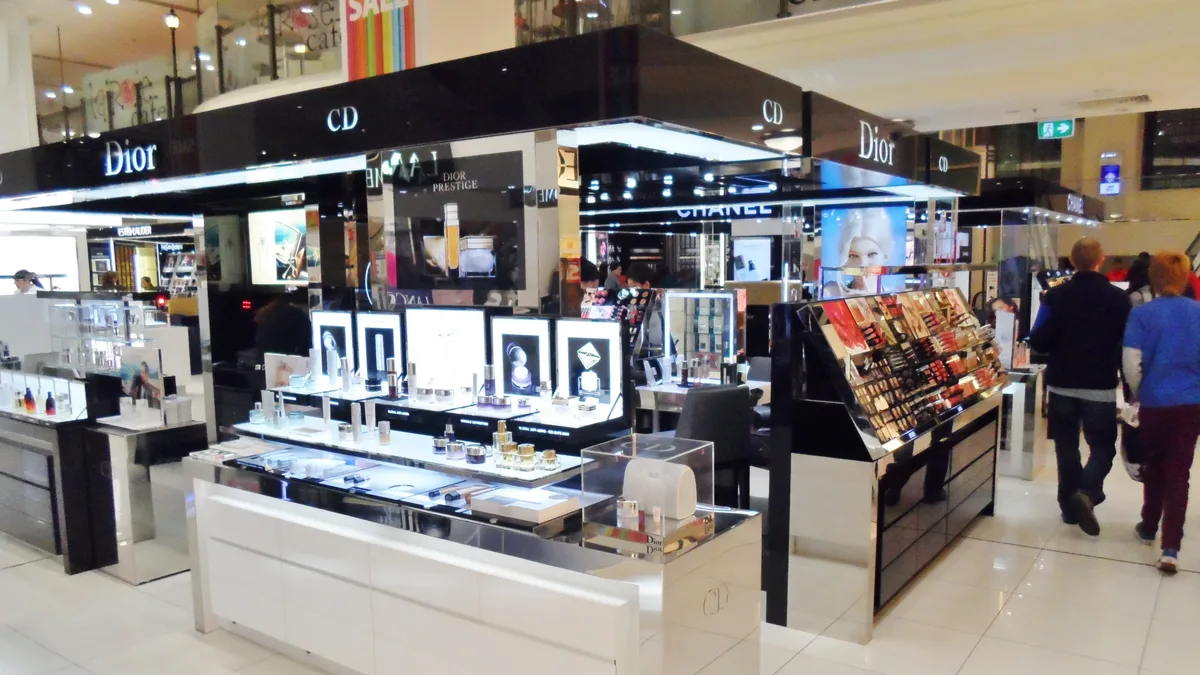
LVMH Beauty Divisions Show Mixed Q3 2026 Performance
LVMH's perfume and cosmetics division grew 1% in Q3 2026, driven by fragrance launches at Dior and Guerlain, while its Sephora-led Selective...
Harper Beckham's Harlo by Harper beauty brand set for 2027
Victoria Beckham has invested over $3 million in her daughter Harper's beauty venture, Harlo by Harper, with trademark filings revealing a broad...
Charlotte Tilbury's Rare Amazon Prime Big Deal Days Sale
Charlotte Tilbury products are discounted up to 40% during Amazon's Prime Big Deal Days on October 6-7, a rare sale event for the cult-favorite brand.
L’Oréal Launches Dr.G on TikTok Shop in the U.S
L’Oréal has launched the Korean skincare brand Dr.G on TikTok Shop in the United States, marking its first major U.S.
Louis Vuitton Launches Vivienne Beauté Pat McGrath Figurine
Louis Vuitton has released a £2,940 Vivienne figurine honouring Dame Pat McGrath to mark the first anniversary of its La Beauté makeup line.